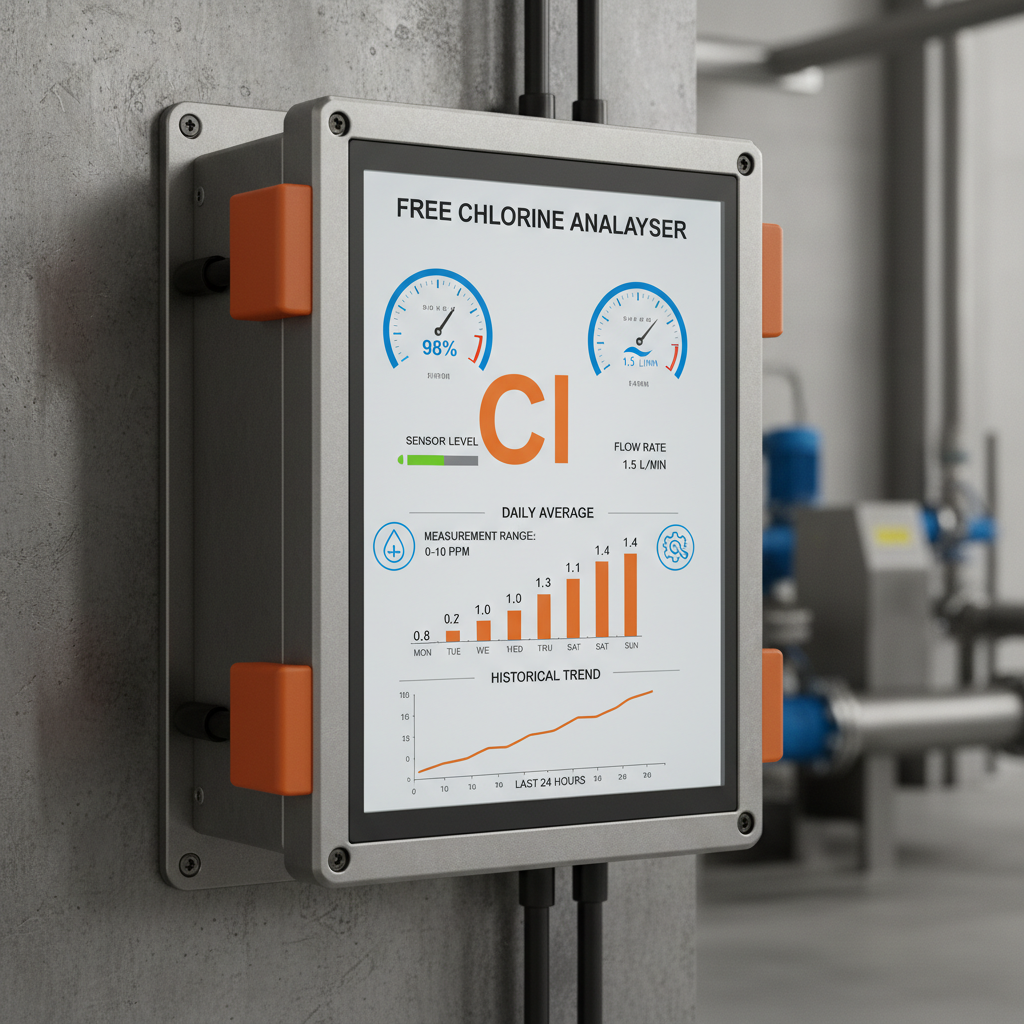
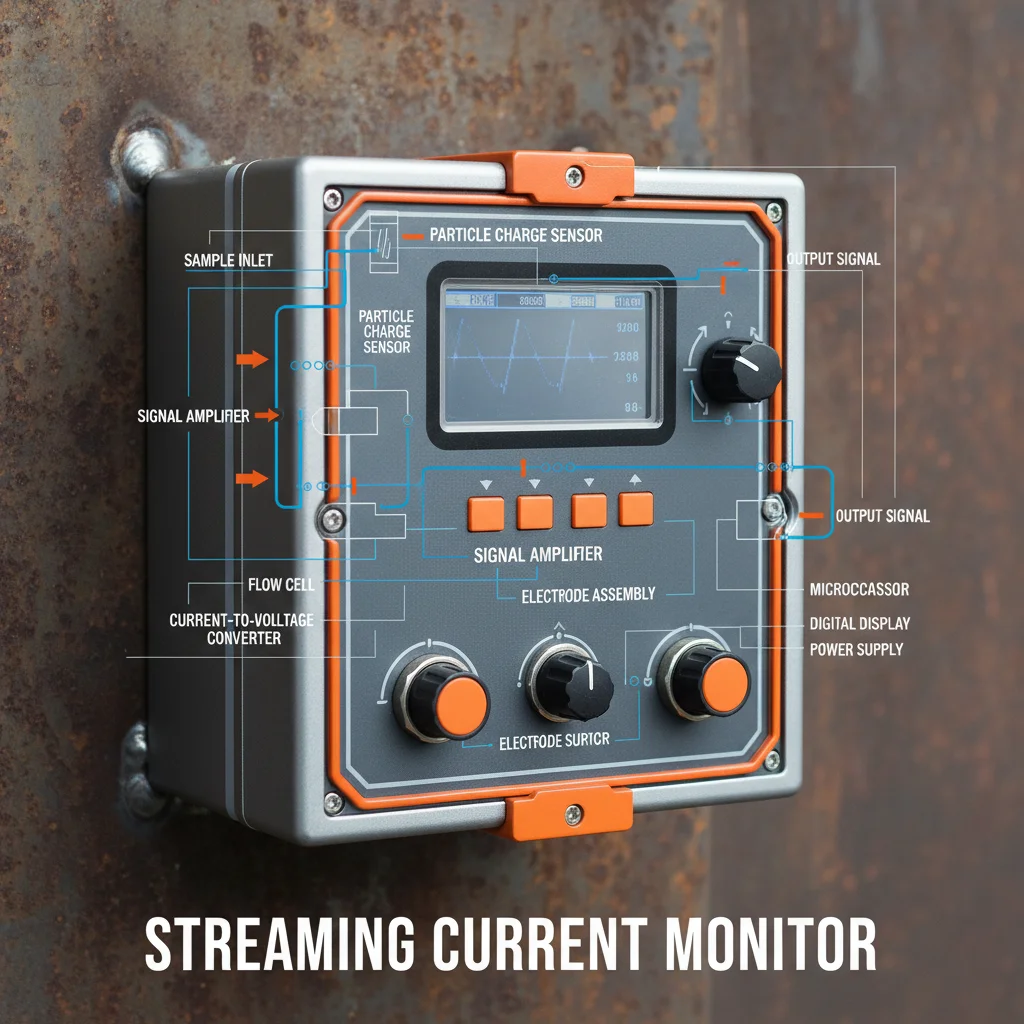
The importance of maintaining optimal water quality is paramount across numerous industries and applications, from municipal water treatment and wastewater management to industrial processes and environmental monitoring. Accurate and reliable measurement of free chlorine is crucial for ensuring effective disinfection and safeguarding public health. A free chlorine analyser provides continuous, real-time data, enabling proactive control and preventing potential issues related to under- or over-chlorination.
The global demand for advanced water quality monitoring solutions is consistently increasing, driven by stricter environmental regulations, growing populations, and heightened awareness of waterborne diseases. The need for precise free chlorine analyser technologies is particularly acute in regions facing water scarcity or struggling with aging infrastructure. These instruments play a vital role in ensuring safe and sustainable water resources.
Effective implementation of a free chlorine analyser system translates to reduced chemical consumption, improved operational efficiency, and minimized risk of contamination, directly impacting both environmental protection and cost savings. This contributes to a more sustainable and responsible approach to water management.
The Significance of Free Chlorine Analysis
Free chlorine analysis is fundamentally important for maintaining effective water disinfection. Chlorine is widely used as a disinfectant in drinking water, wastewater, and swimming pools to kill harmful bacteria and viruses. However, the concentration of free chlorine must be carefully controlled. Too little chlorine may result in inadequate disinfection, while too much can lead to unpleasant tastes, odors, and the formation of disinfection byproducts. A free chlorine analyser helps ensure the optimal balance.
Regular monitoring with a reliable free chlorine analyser ensures consistent water quality and prevents potential health risks. These instruments are crucial for meeting regulatory standards and protecting public health. Implementing continuous monitoring provides immediate alerts to any deviations from acceptable levels, allowing for swift corrective actions.
Understanding Free Chlorine Analysers
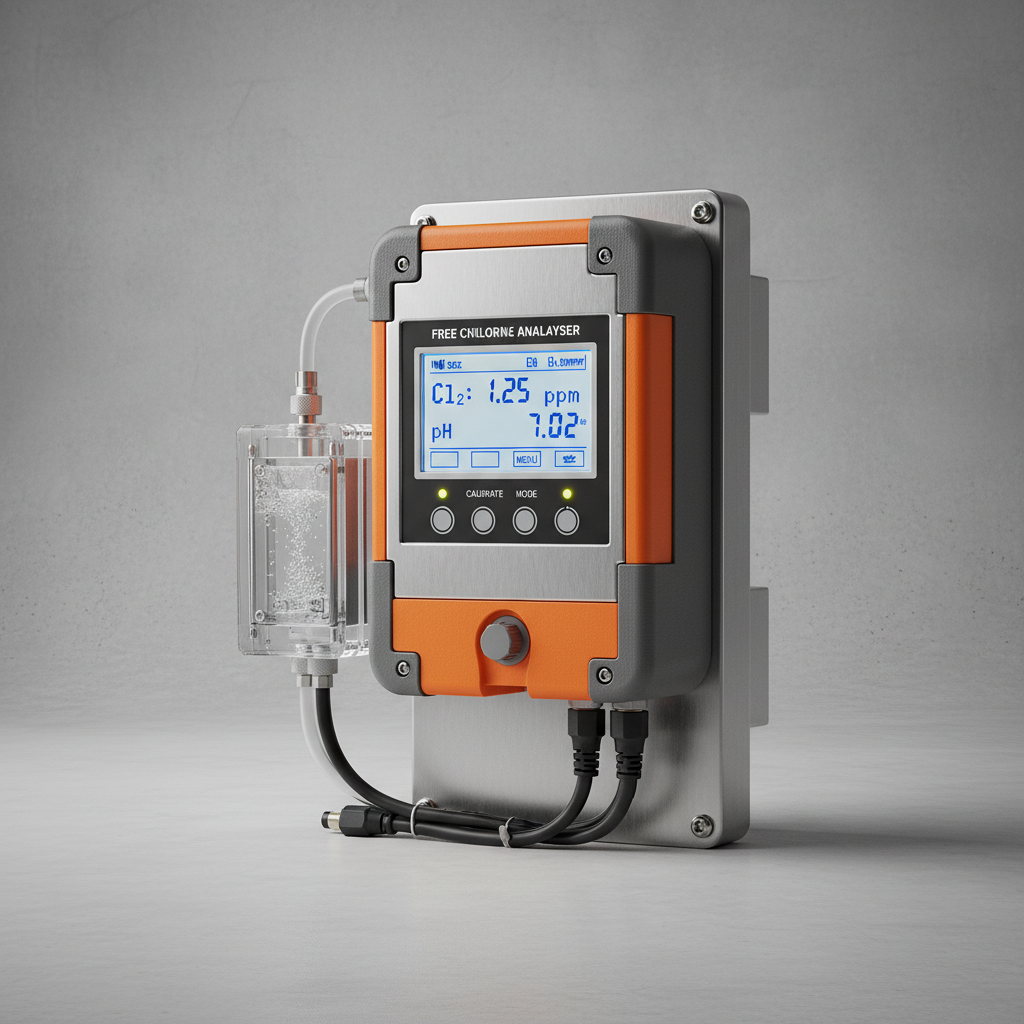
A free chlorine analyser is an instrument designed to measure the concentration of free chlorine in water. Unlike total chlorine analysers, which measure both free and combined chlorine, a free chlorine analyser specifically focuses on the active disinfectant form. This is crucial because free chlorine is the portion that effectively kills pathogens. These analysers employ various techniques, including amperometry, colorimetry, and potentiometry, to accurately determine chlorine levels.
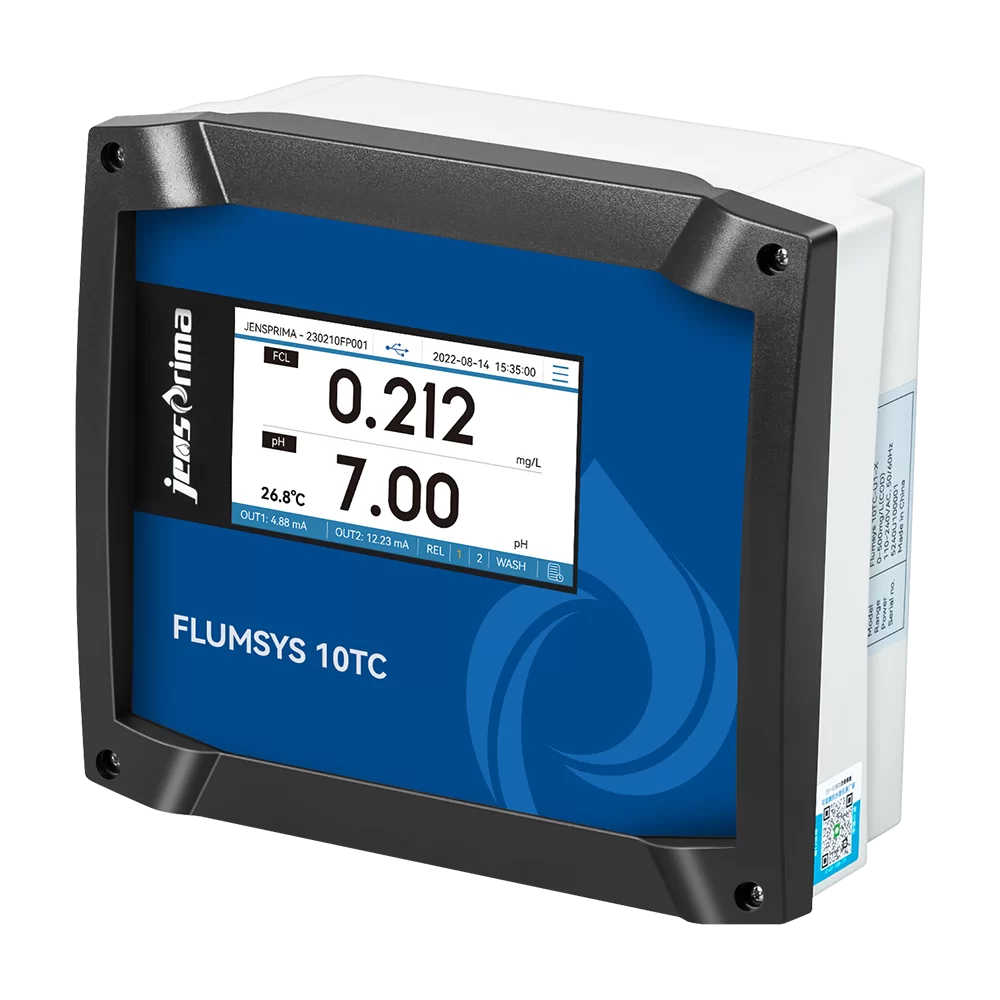
These instruments often incorporate sophisticated sensors and controllers to provide continuous, real-time data. Modern analysers are designed for ease of use, with features like automatic calibration, data logging, and remote monitoring capabilities. They are an essential component of any comprehensive water quality management program.
The connection to modern industry and humanitarian needs is undeniable. For industries relying on purified water, like pharmaceuticals and food processing, a free chlorine analyser ensures product quality and safety. In humanitarian contexts, reliable disinfection is essential to prevent waterborne diseases in disaster relief or developing regions.
Core Components and Functionality
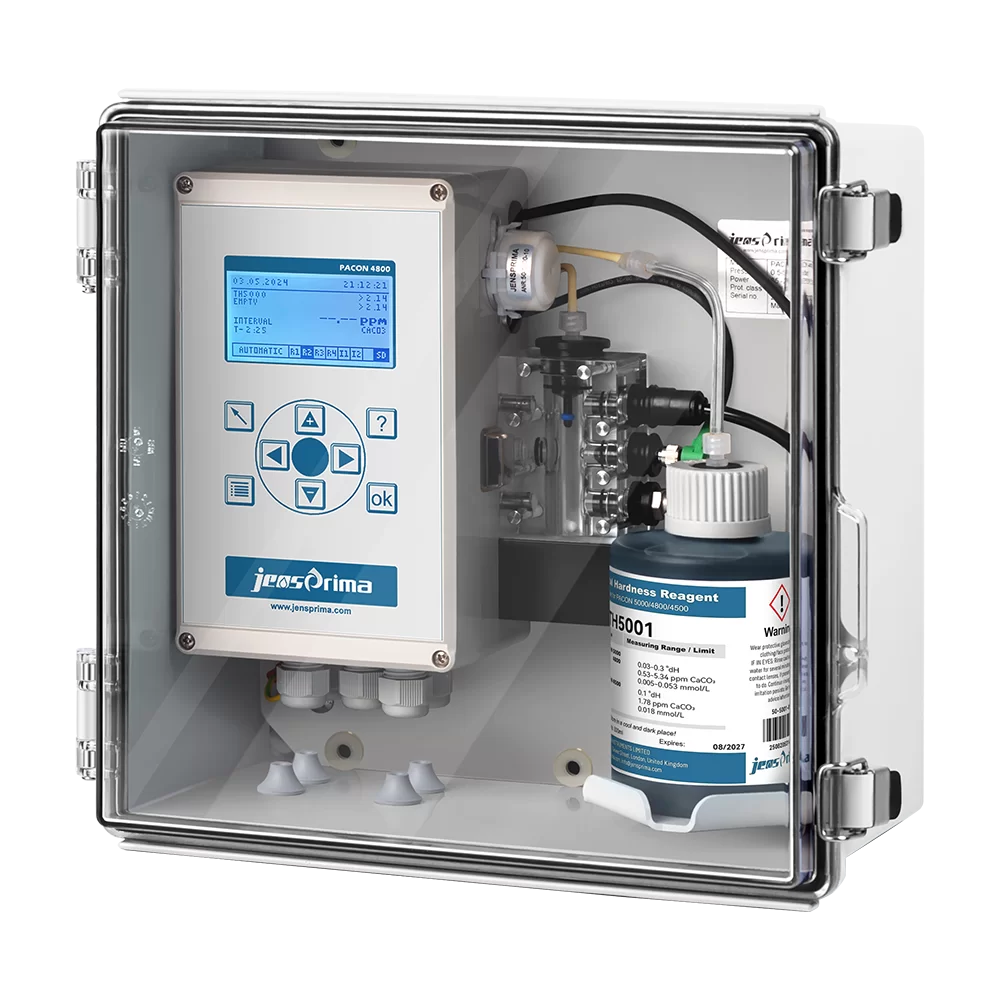
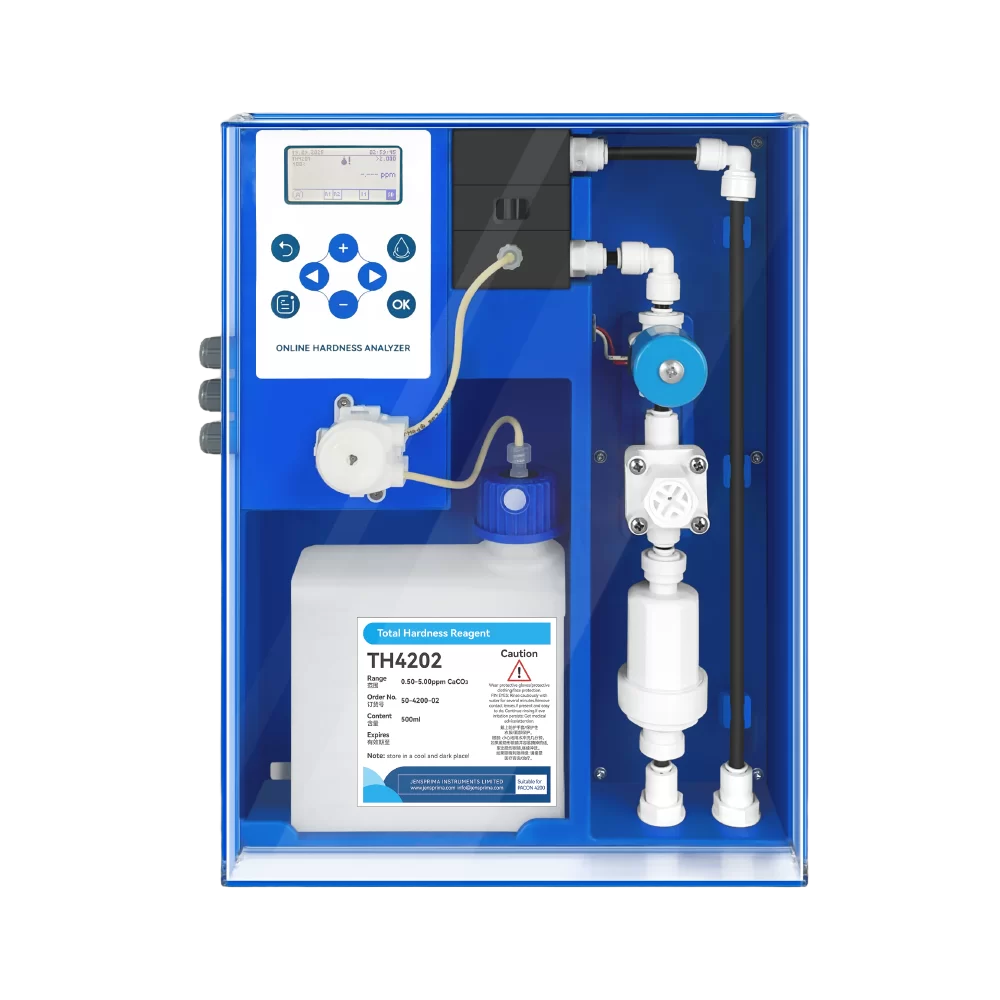
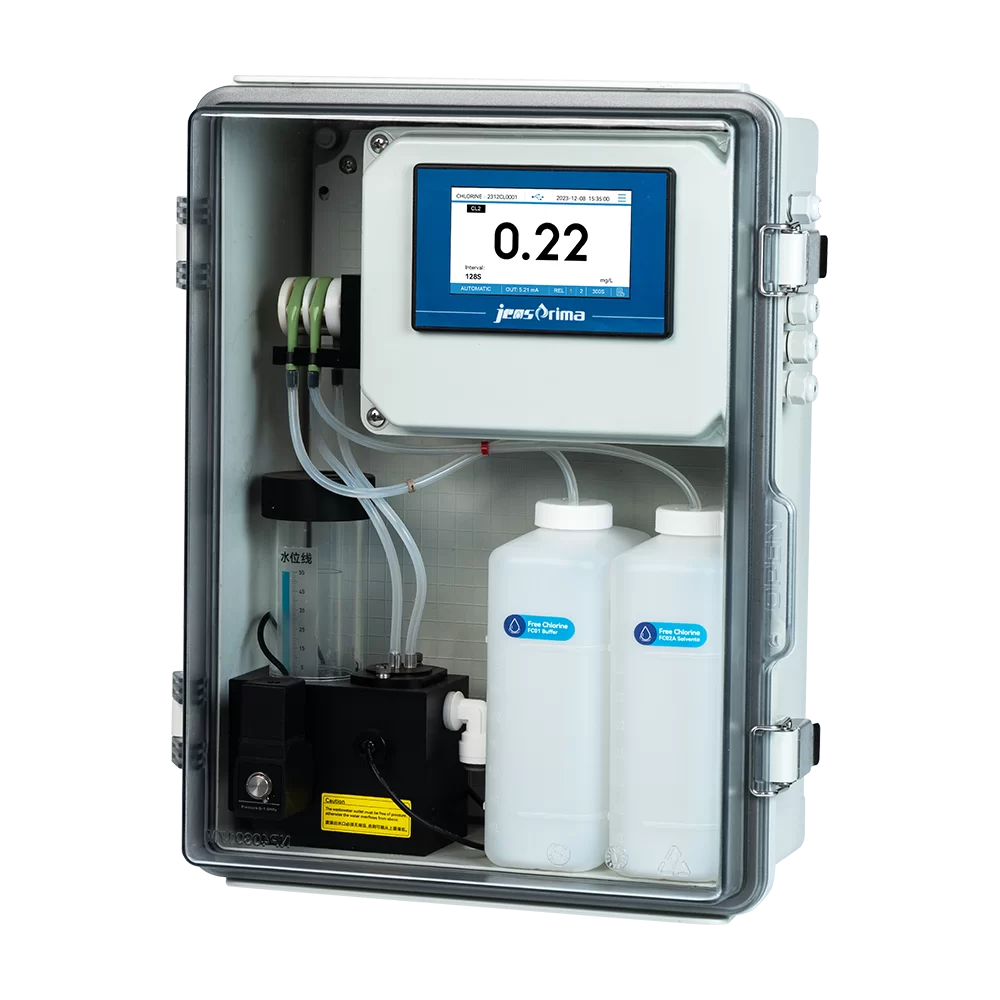
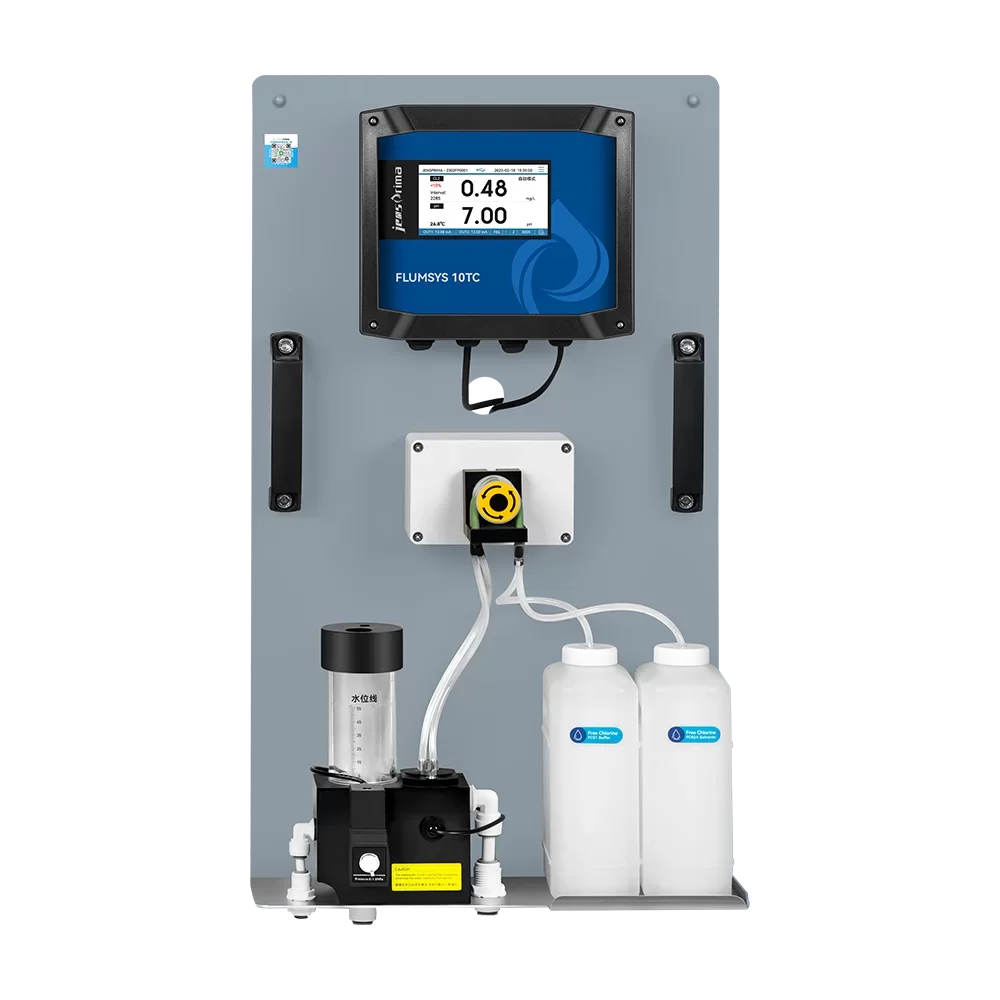
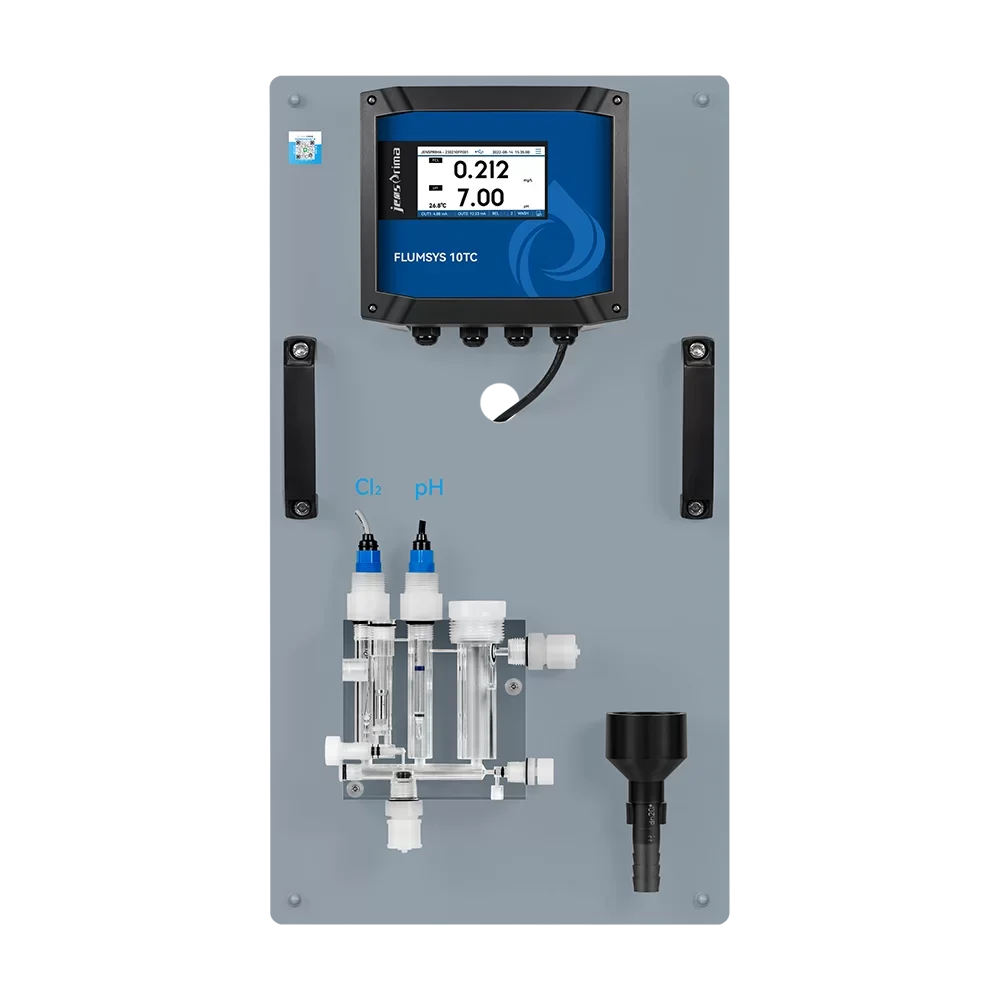
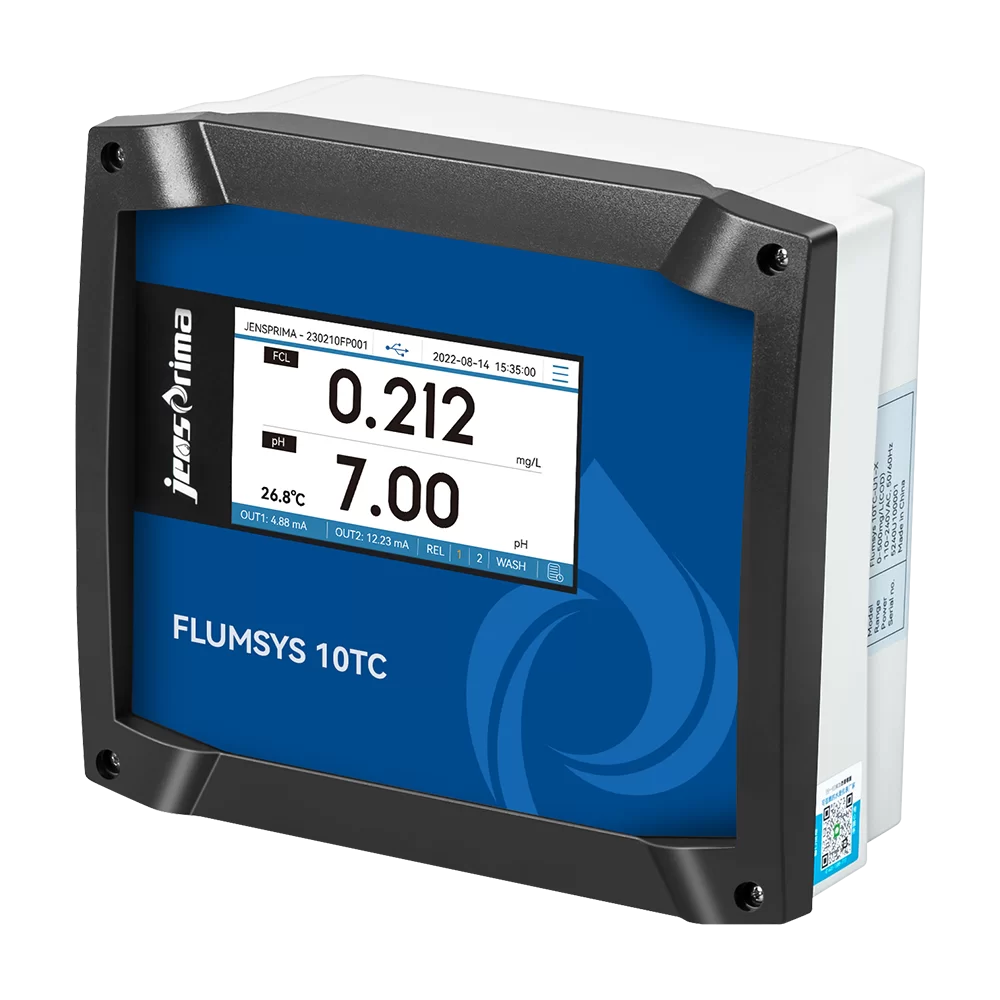
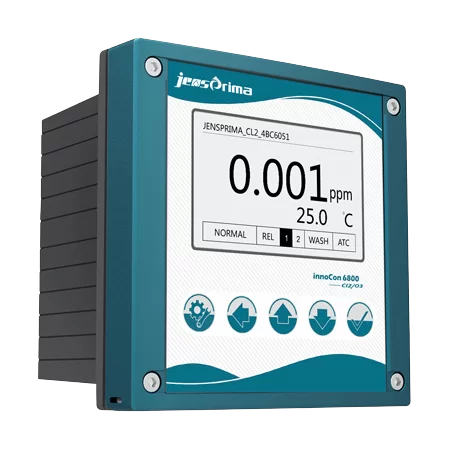
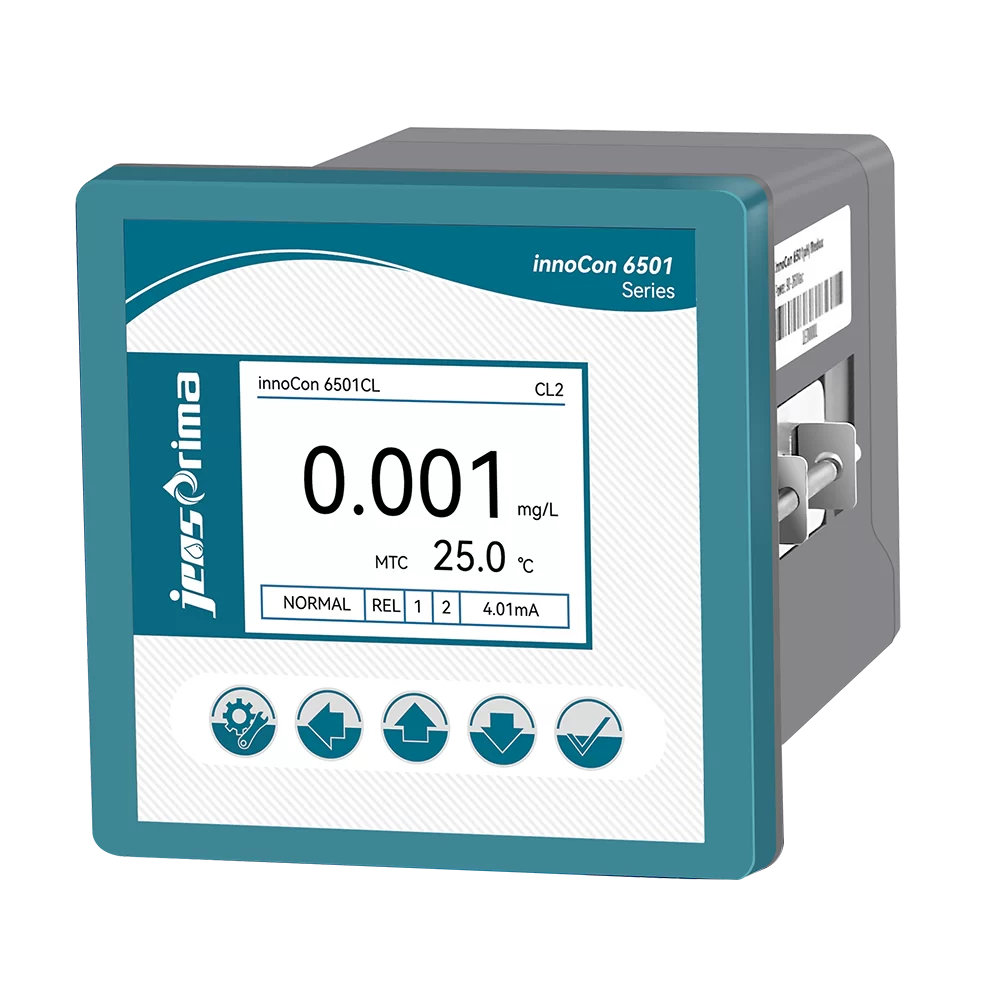
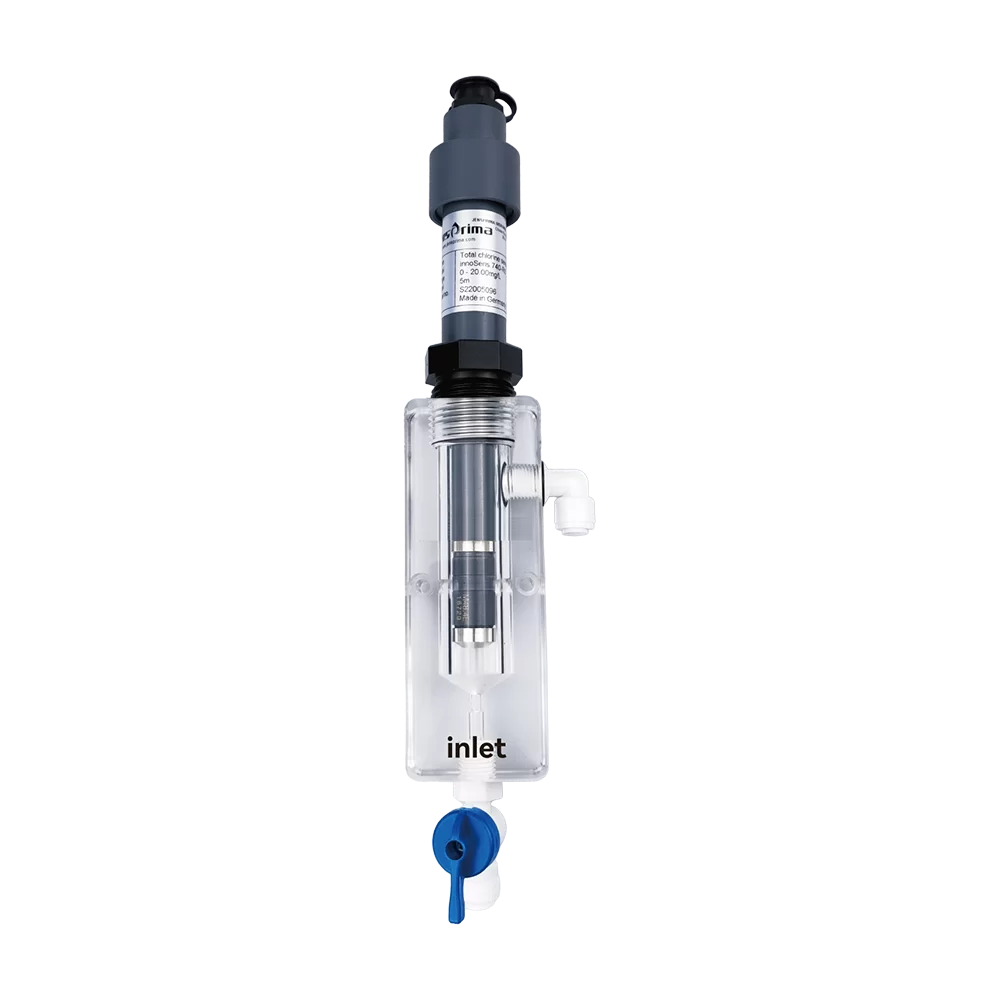
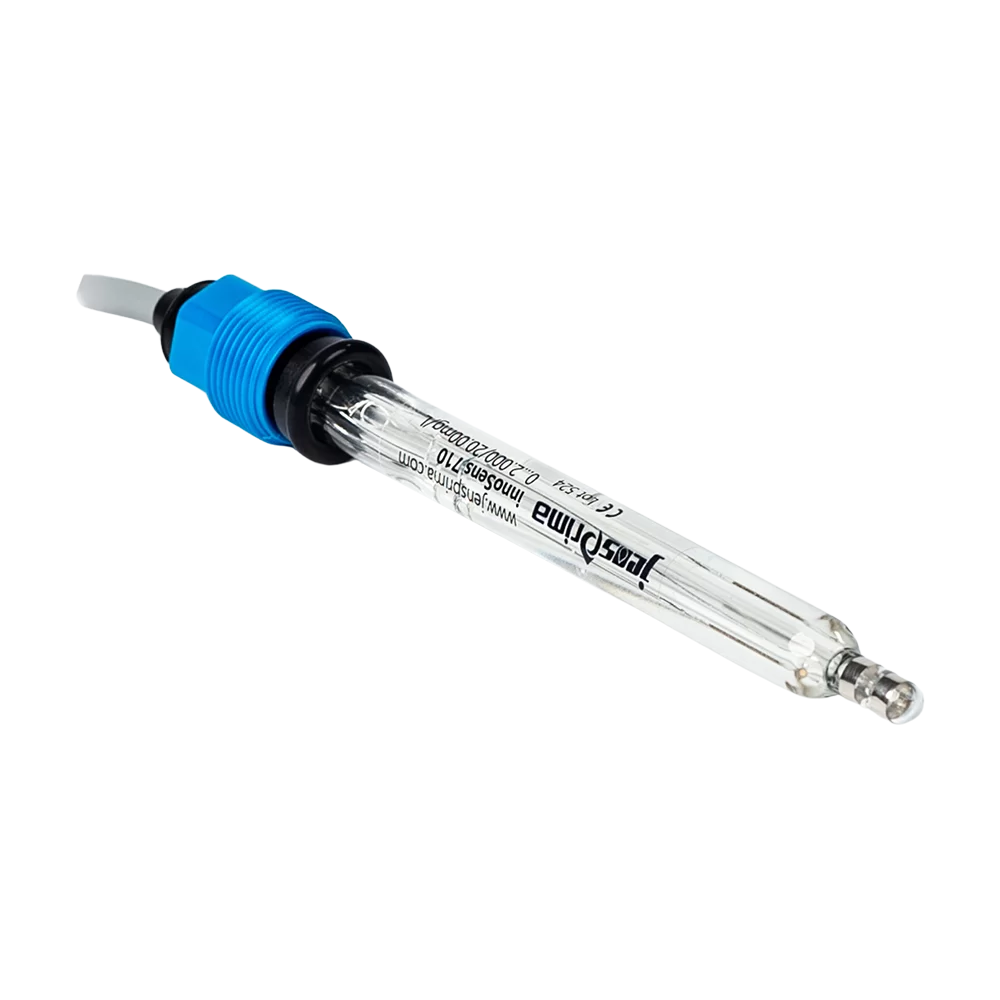
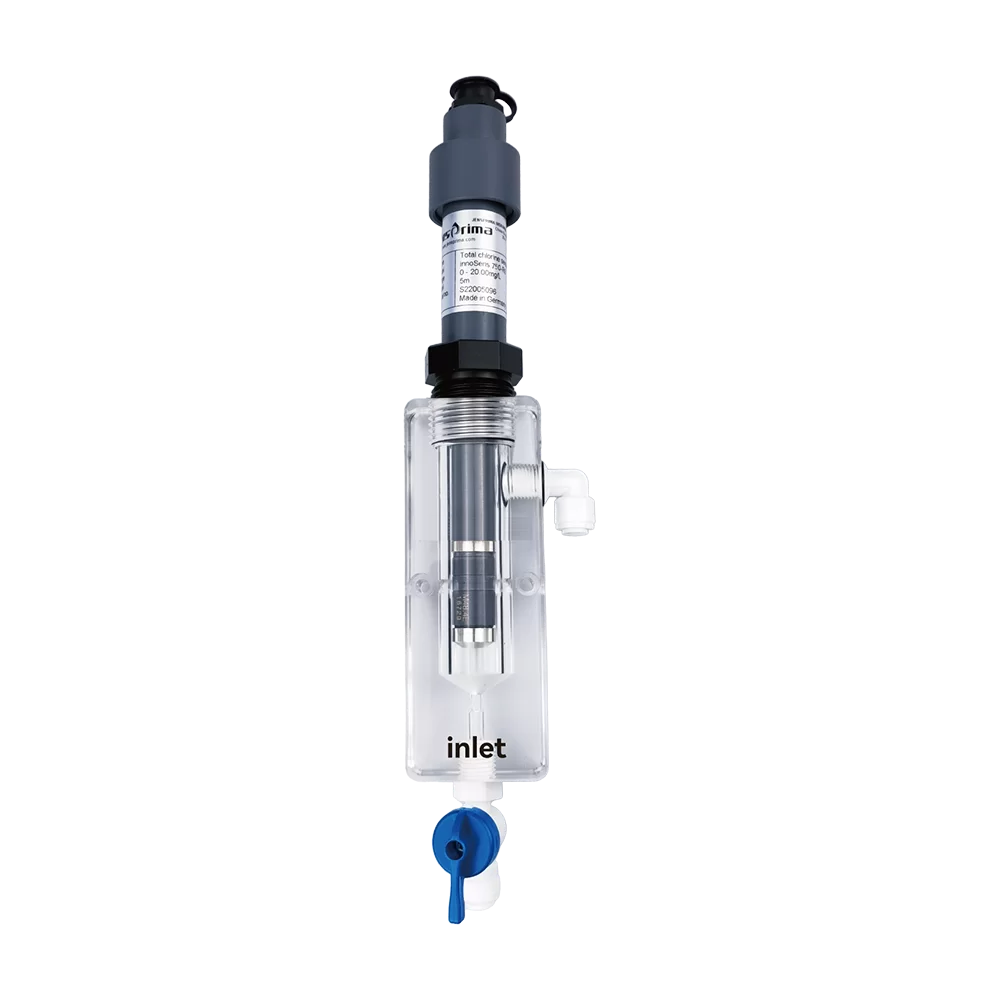
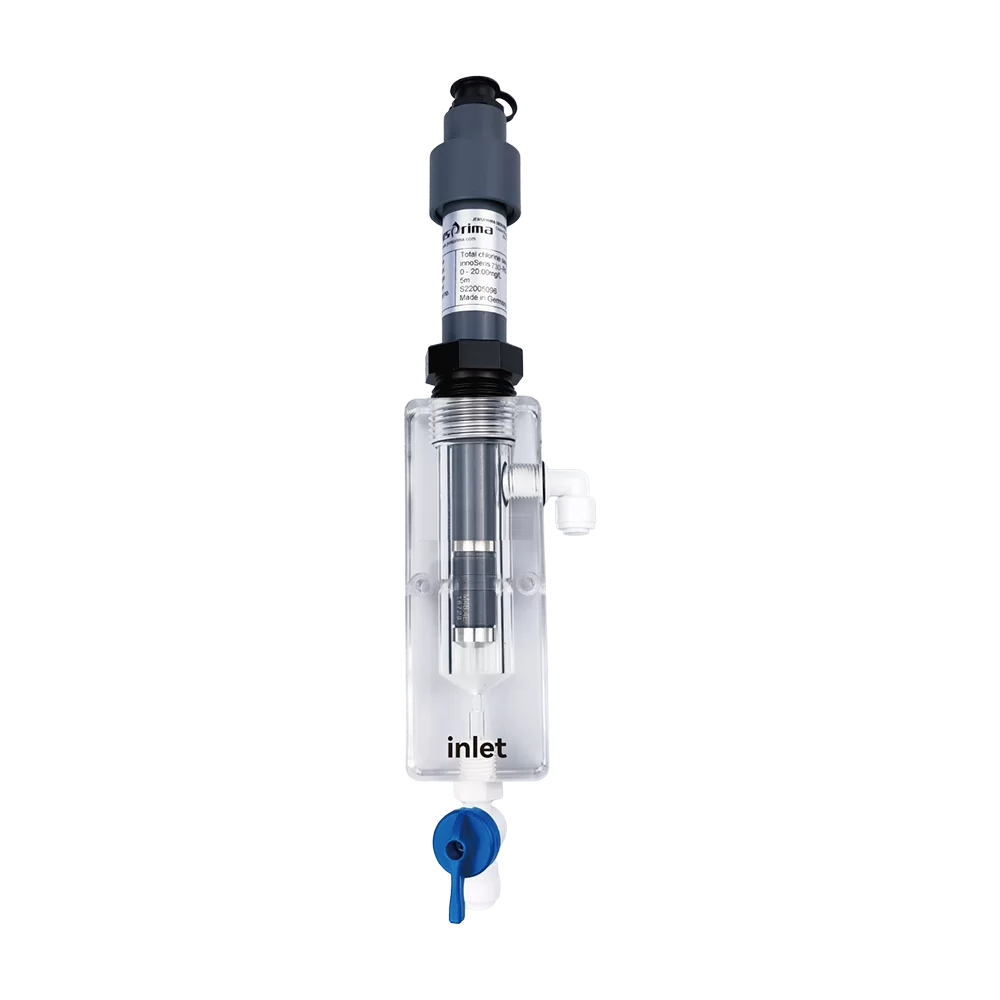
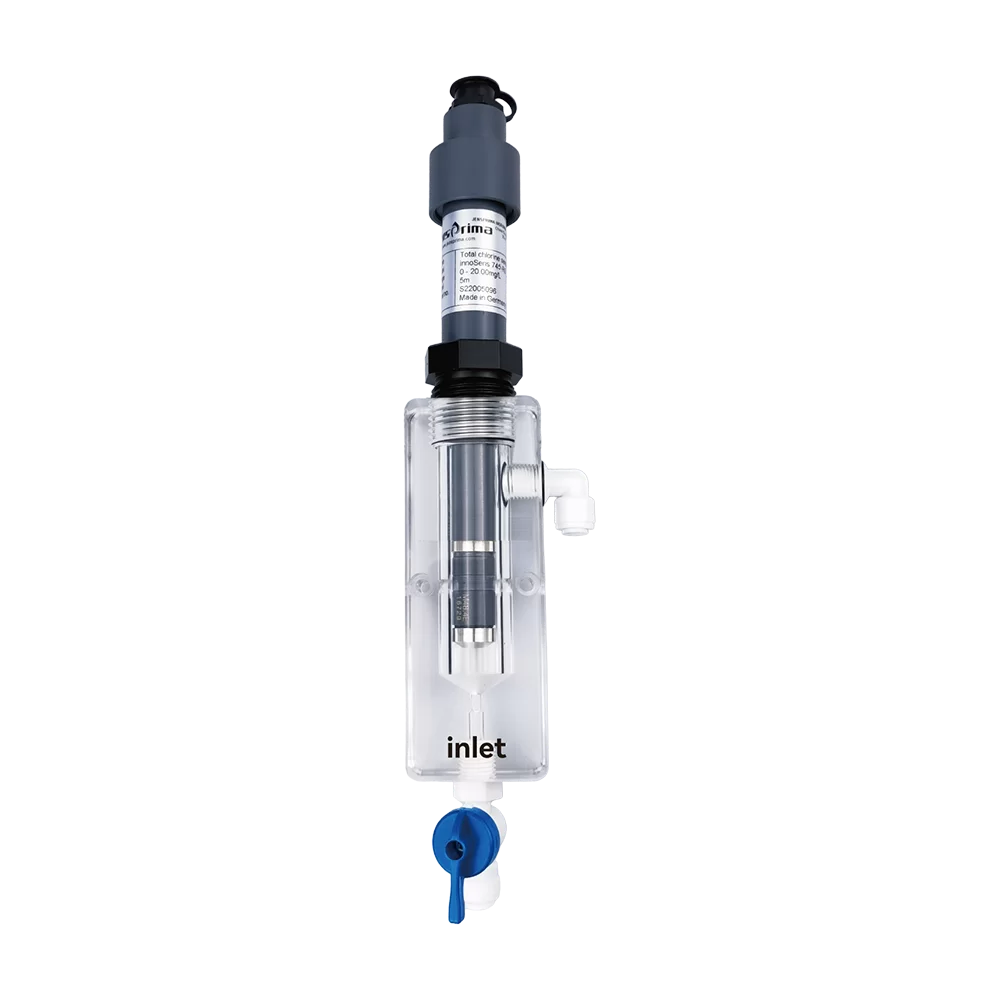
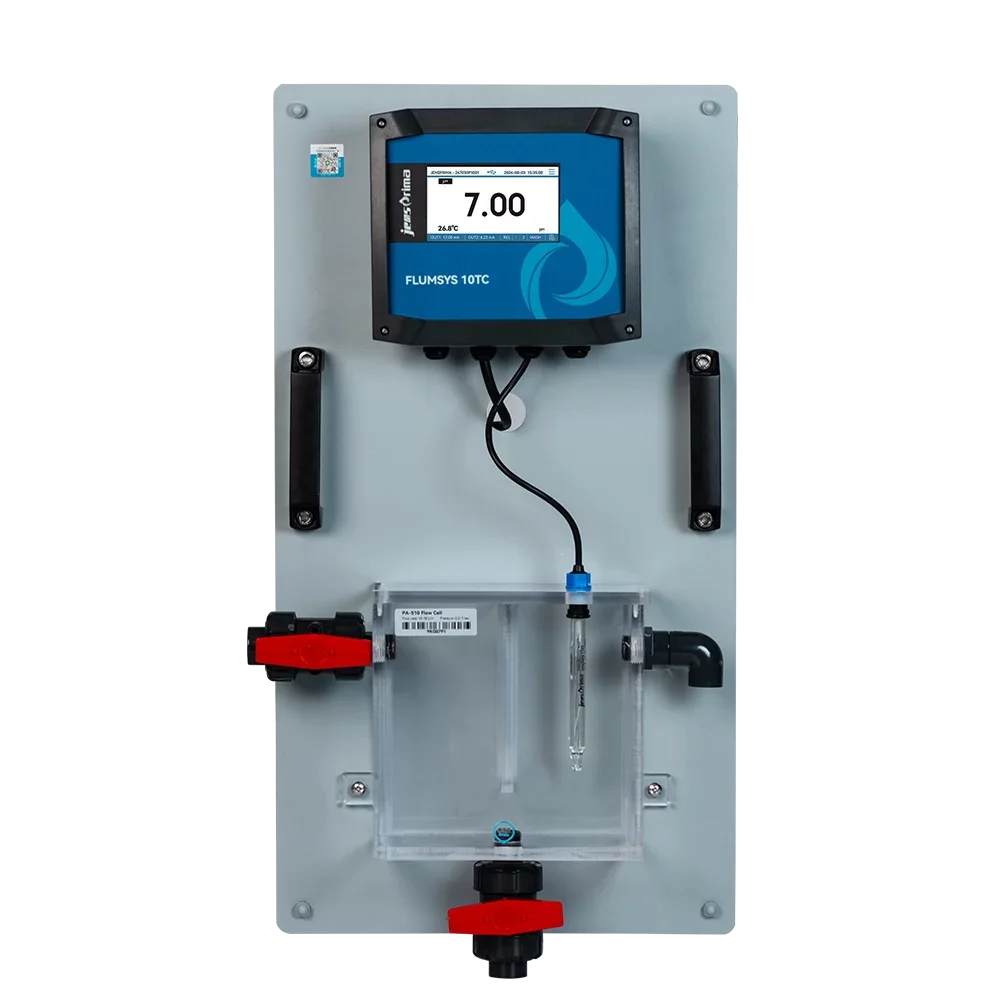
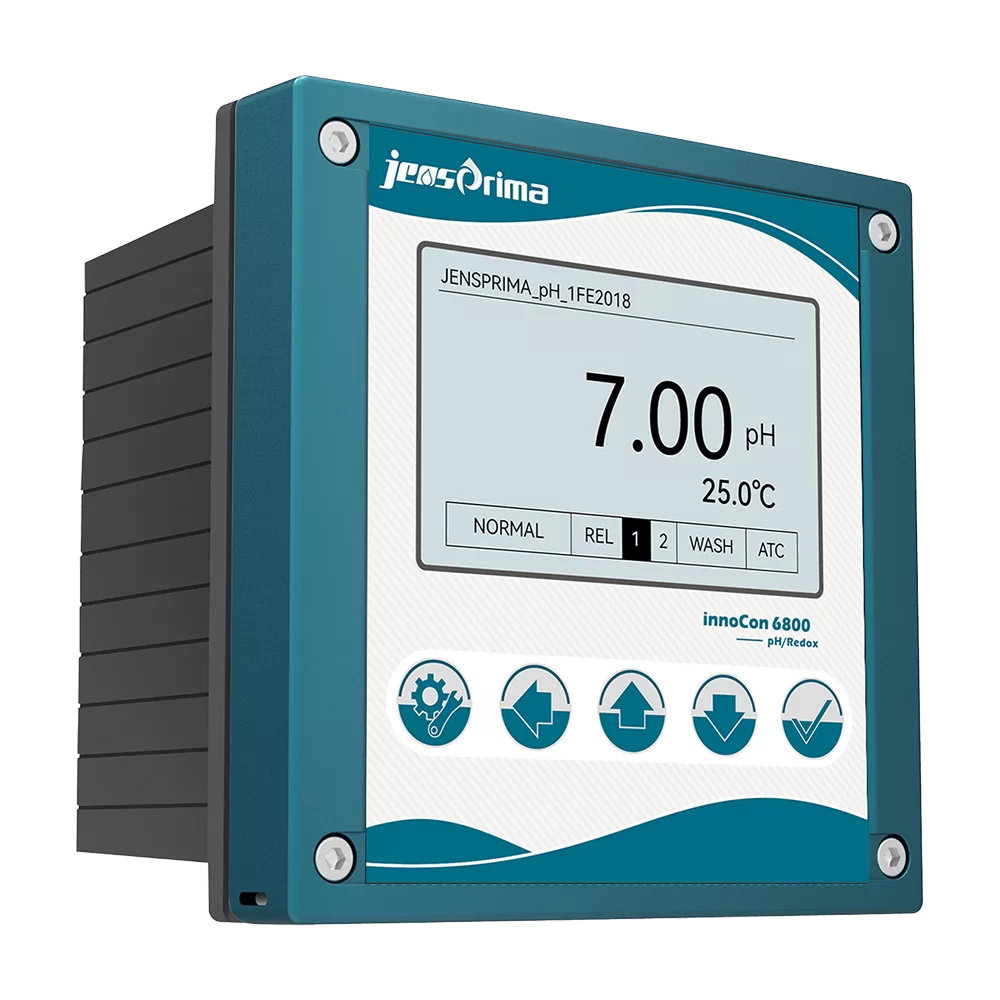
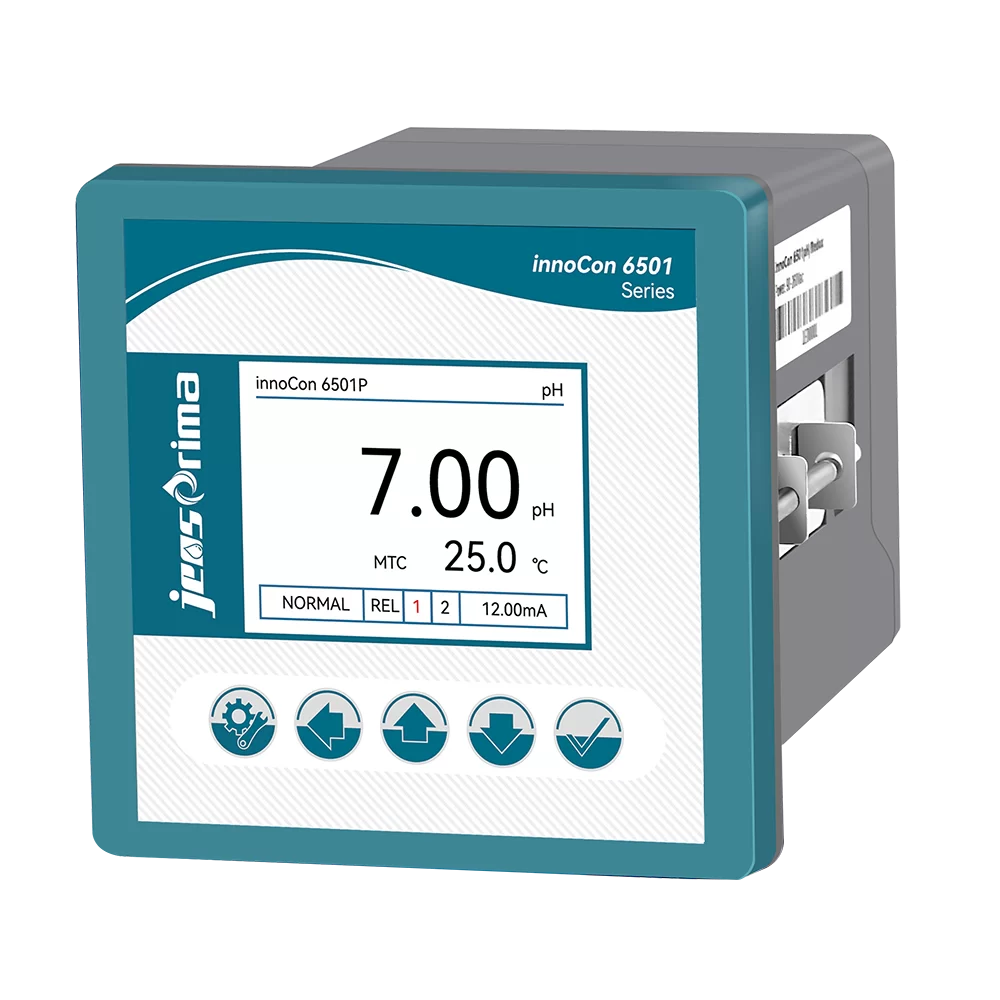
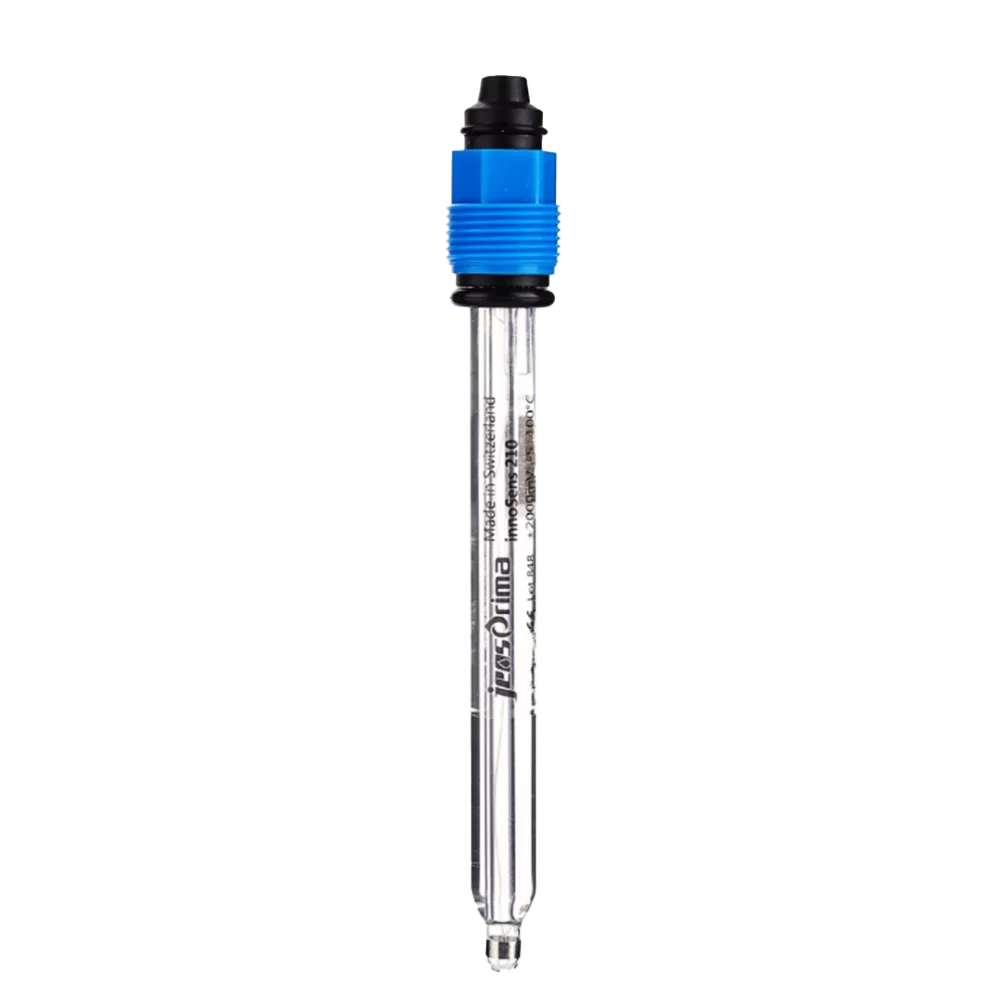
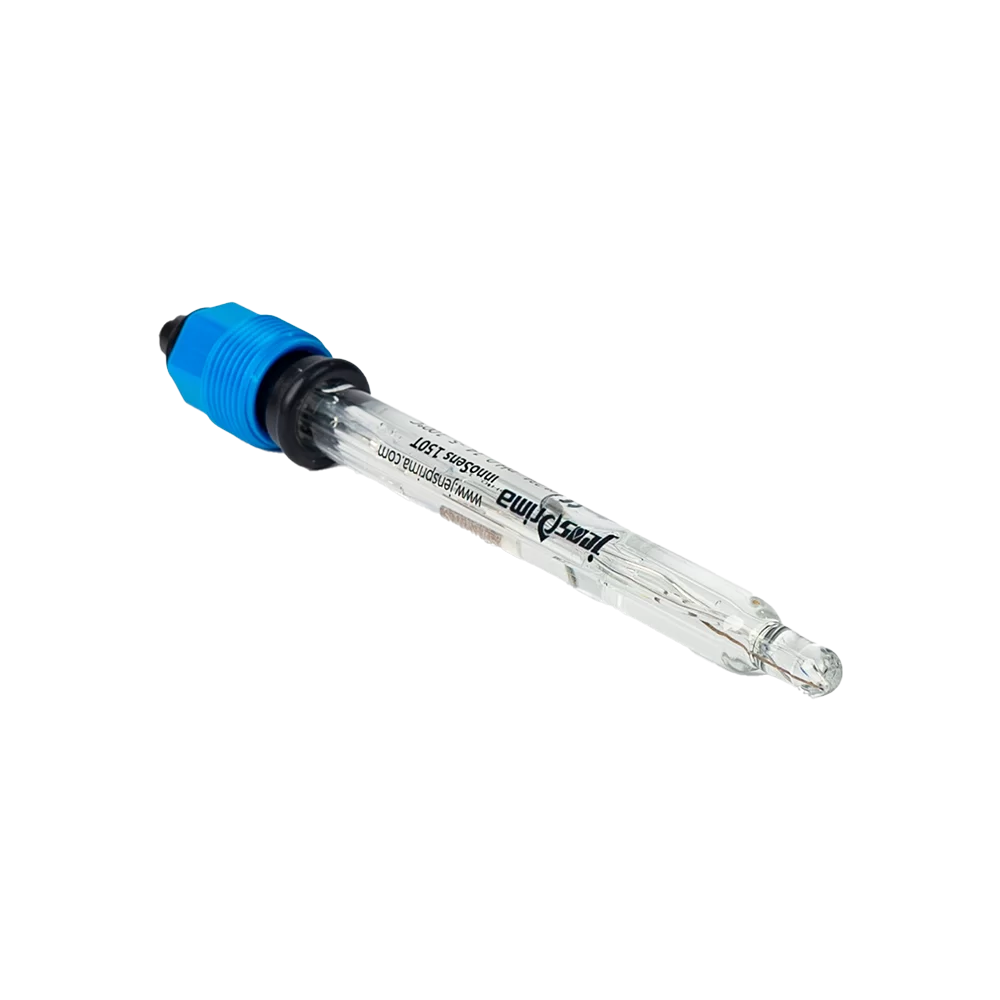
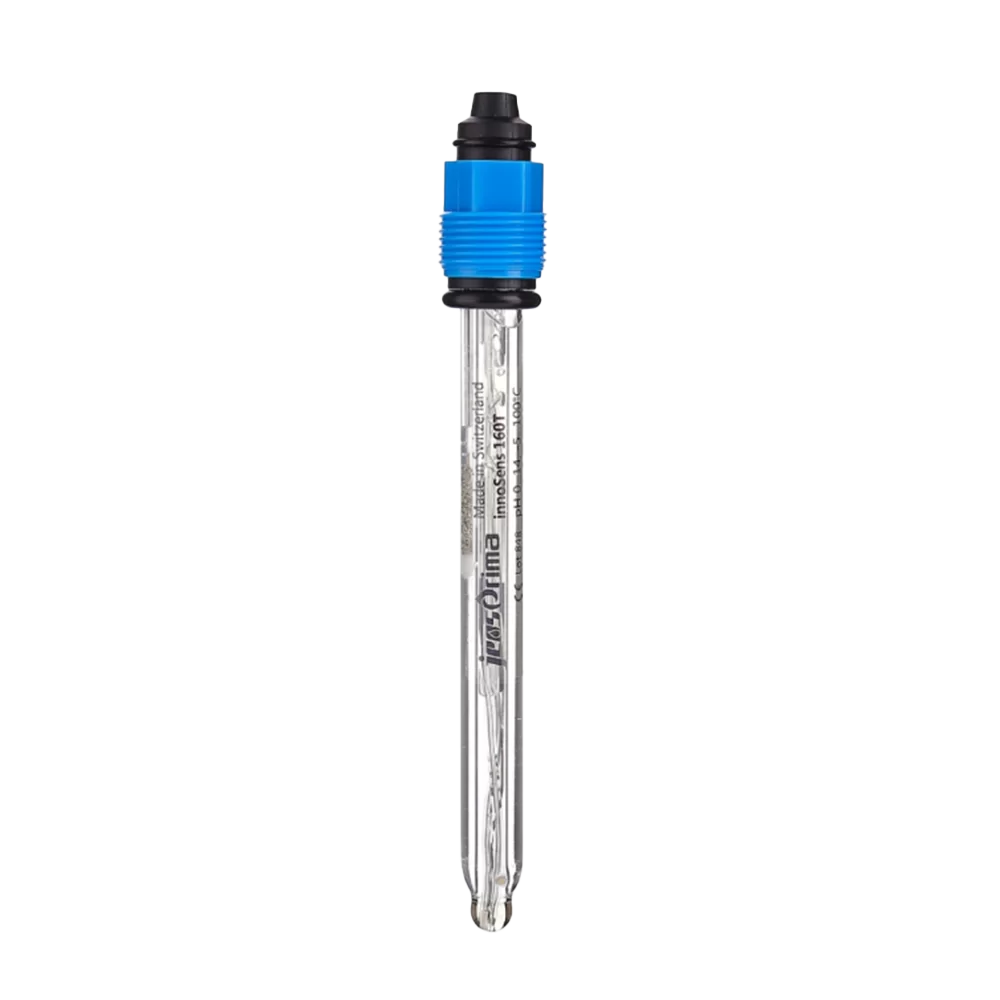
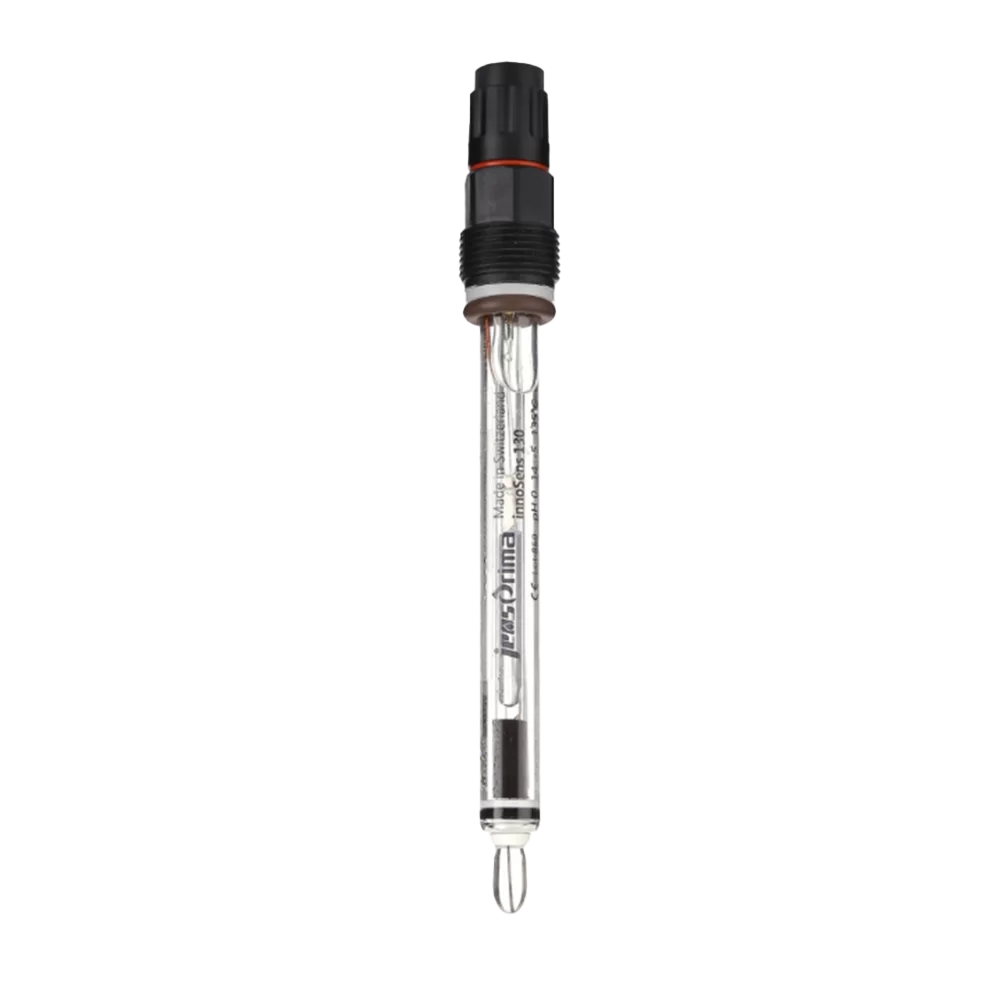
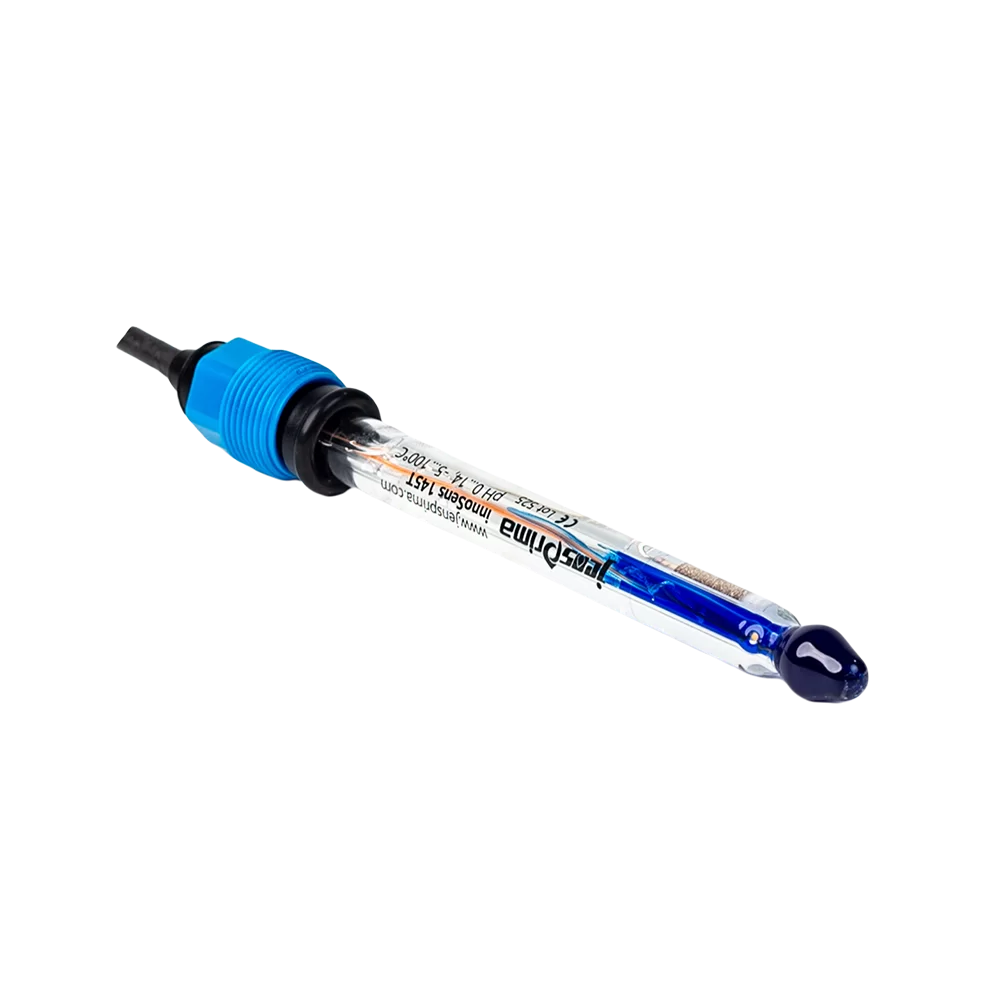
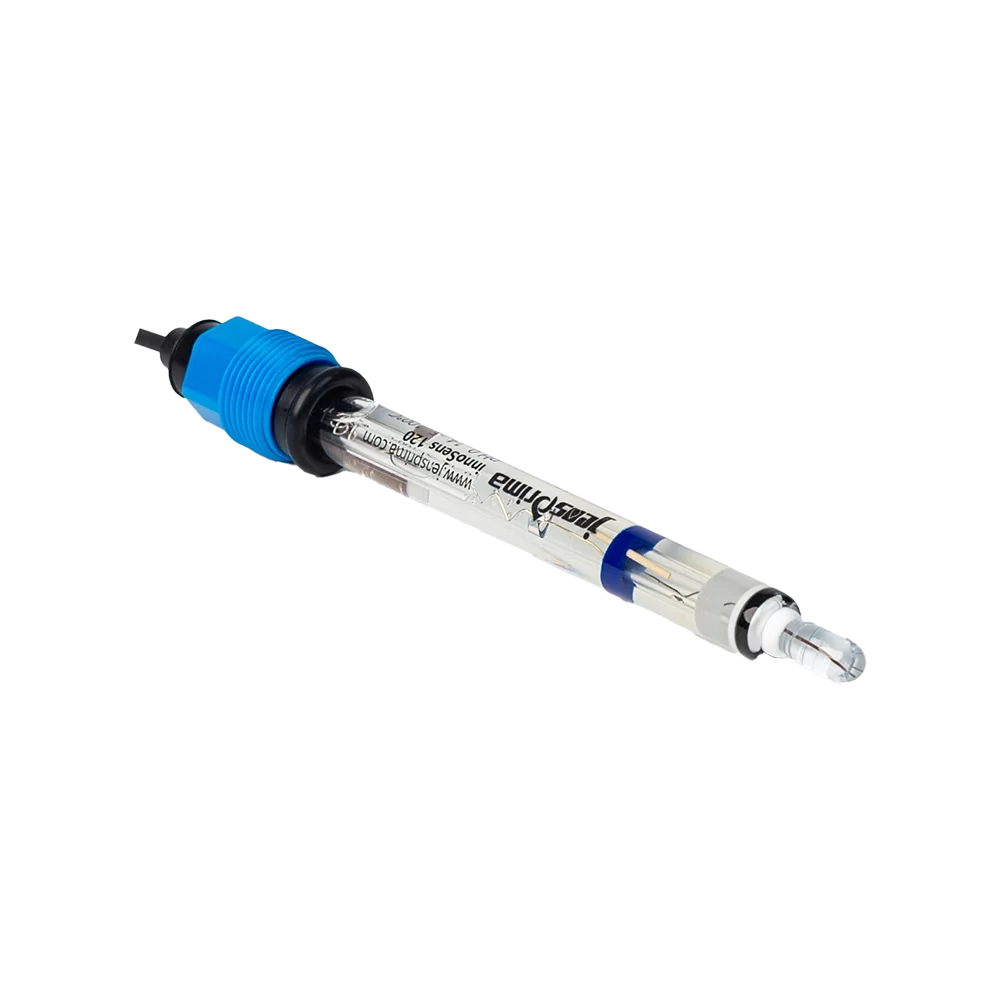
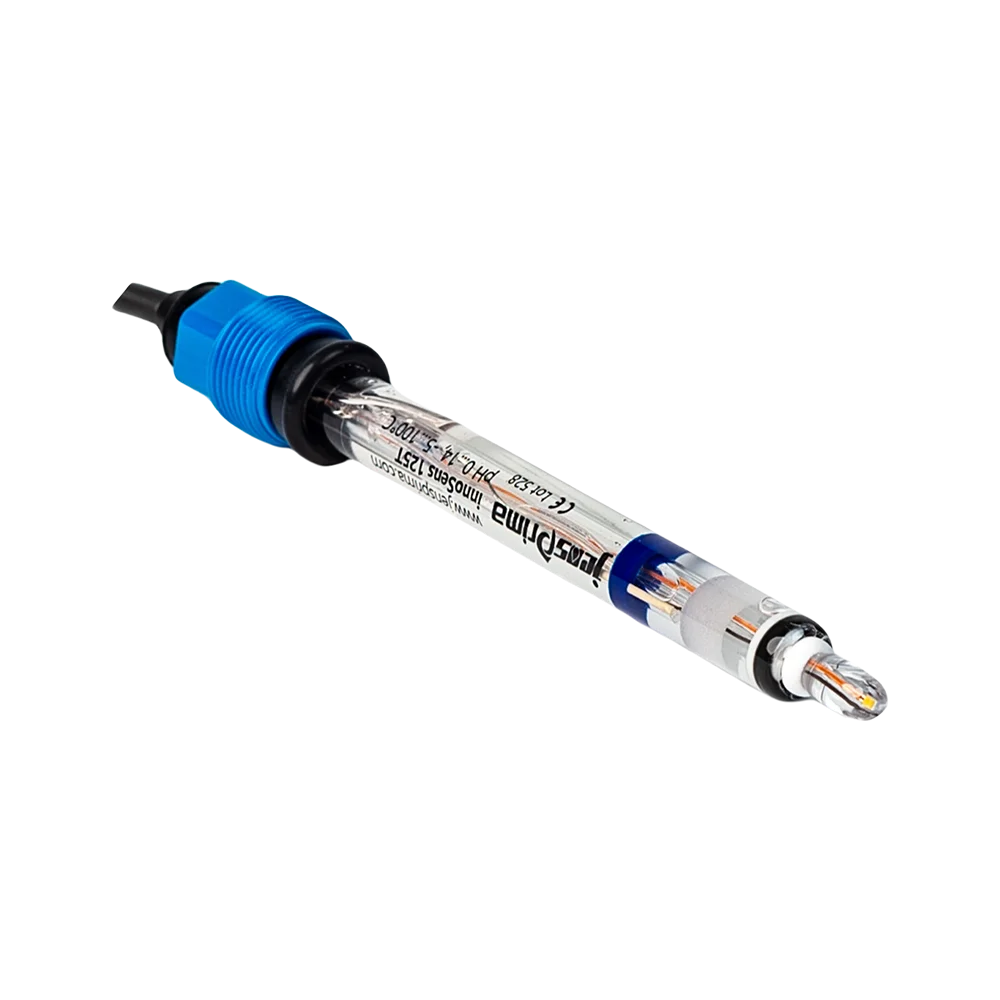
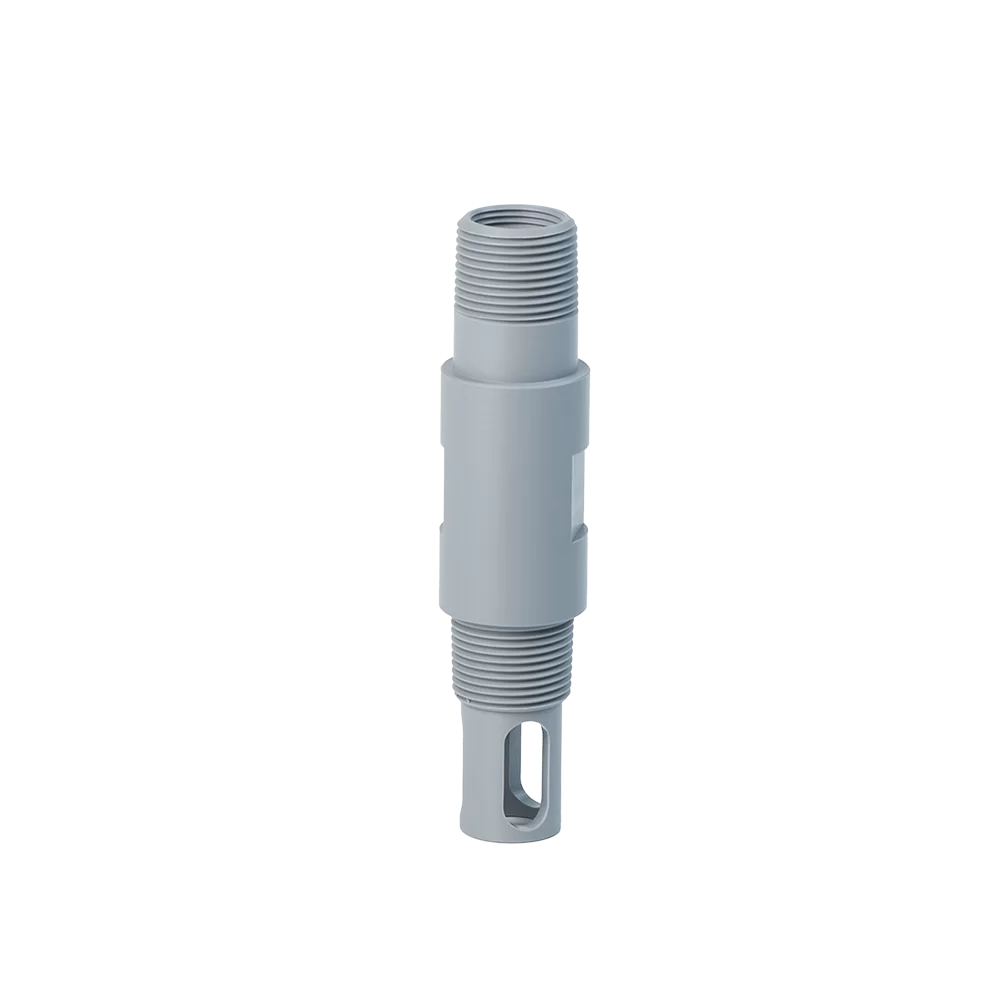
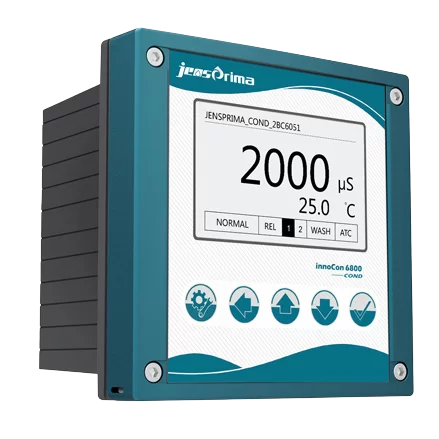
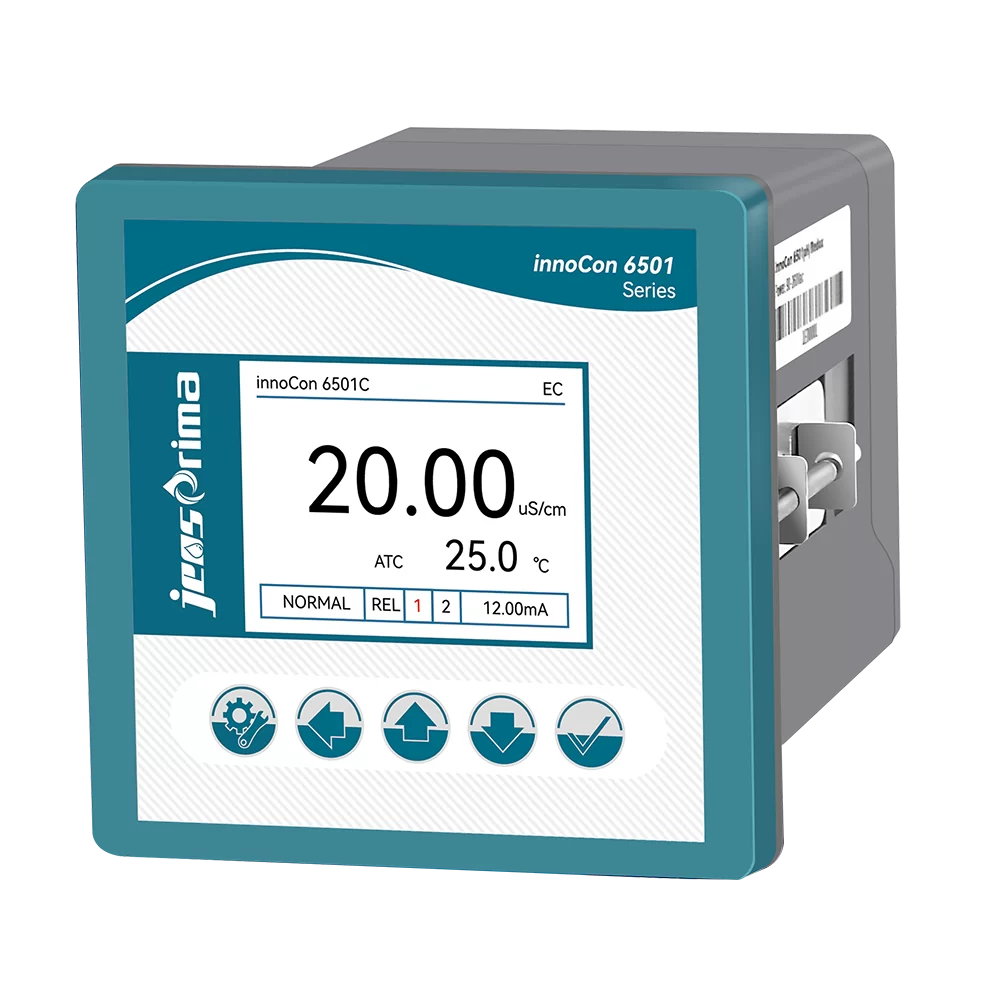
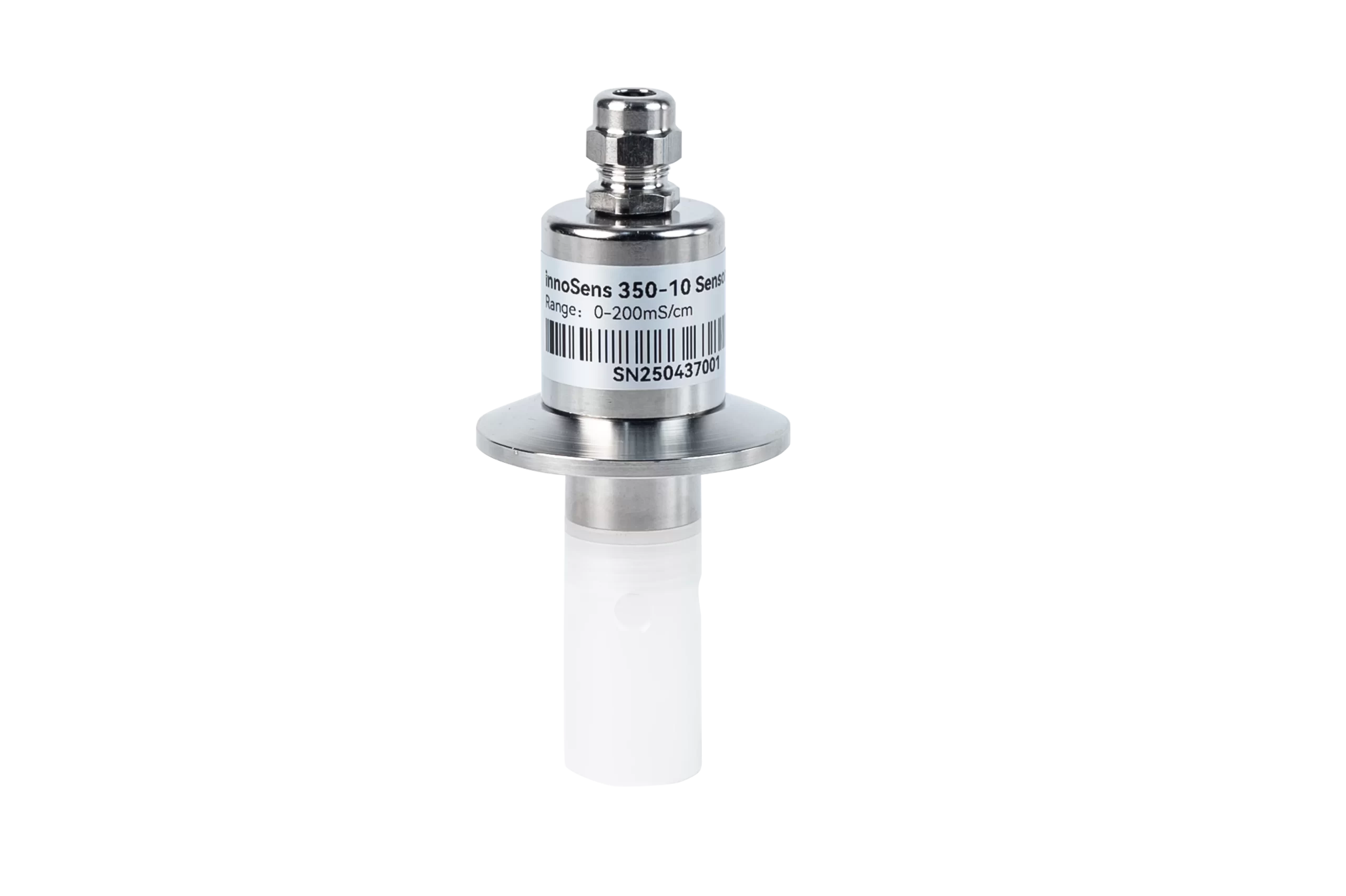
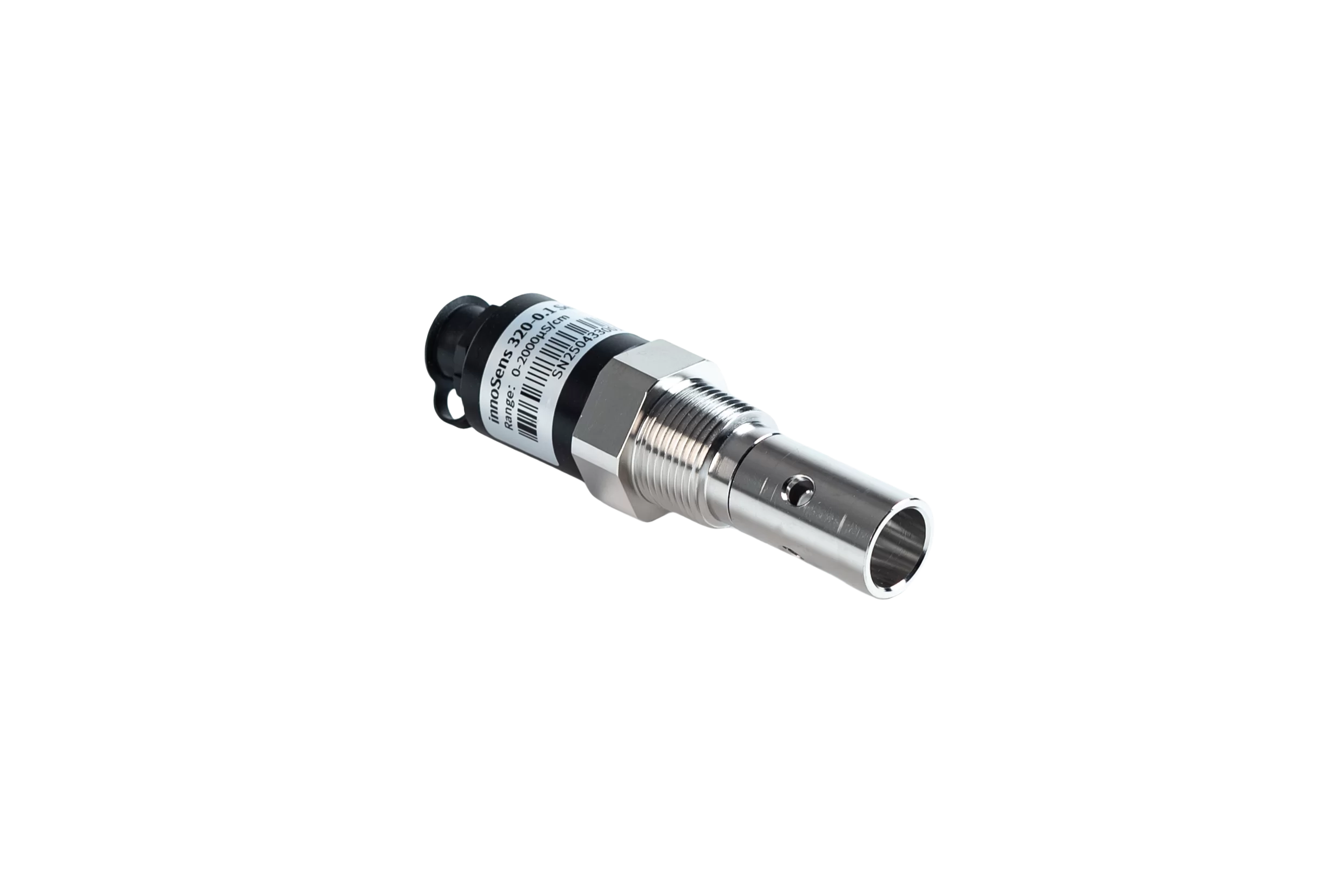
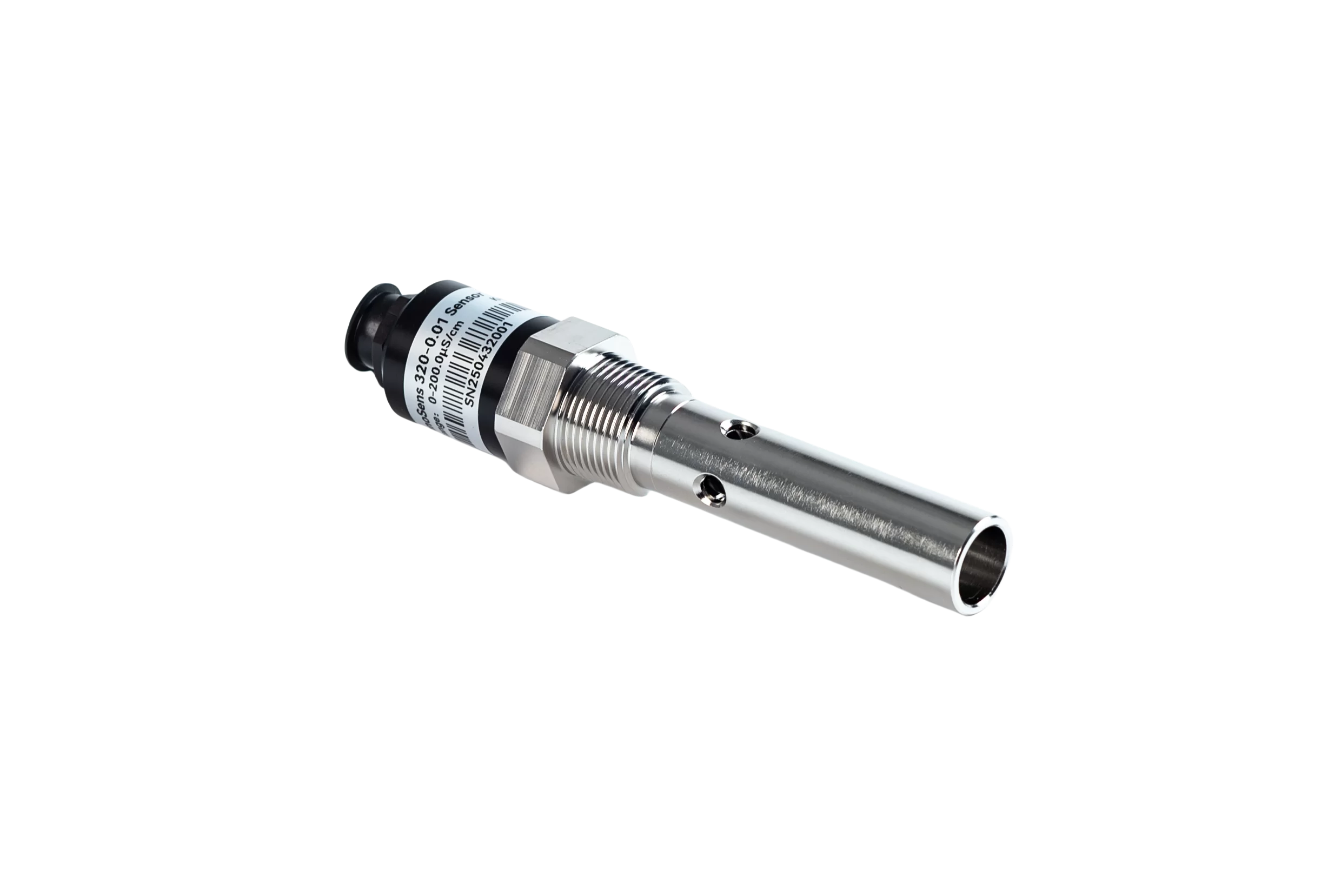
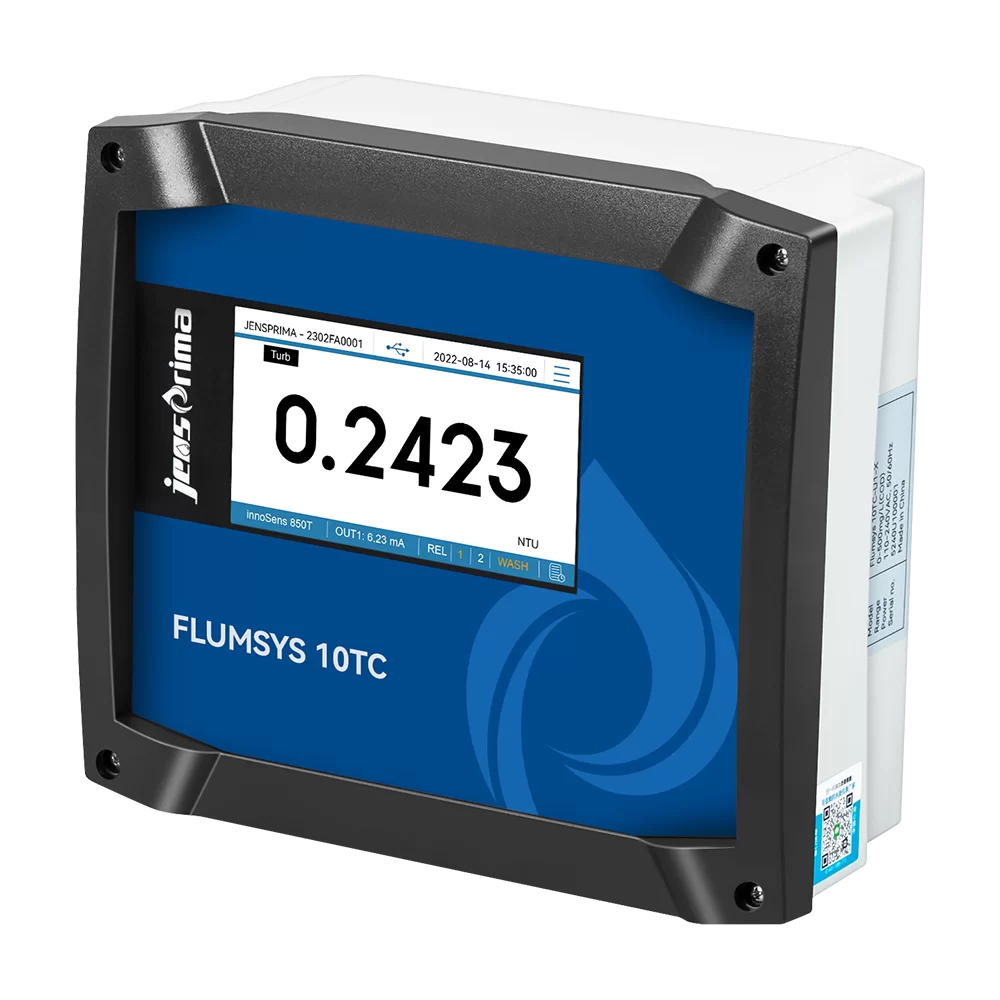
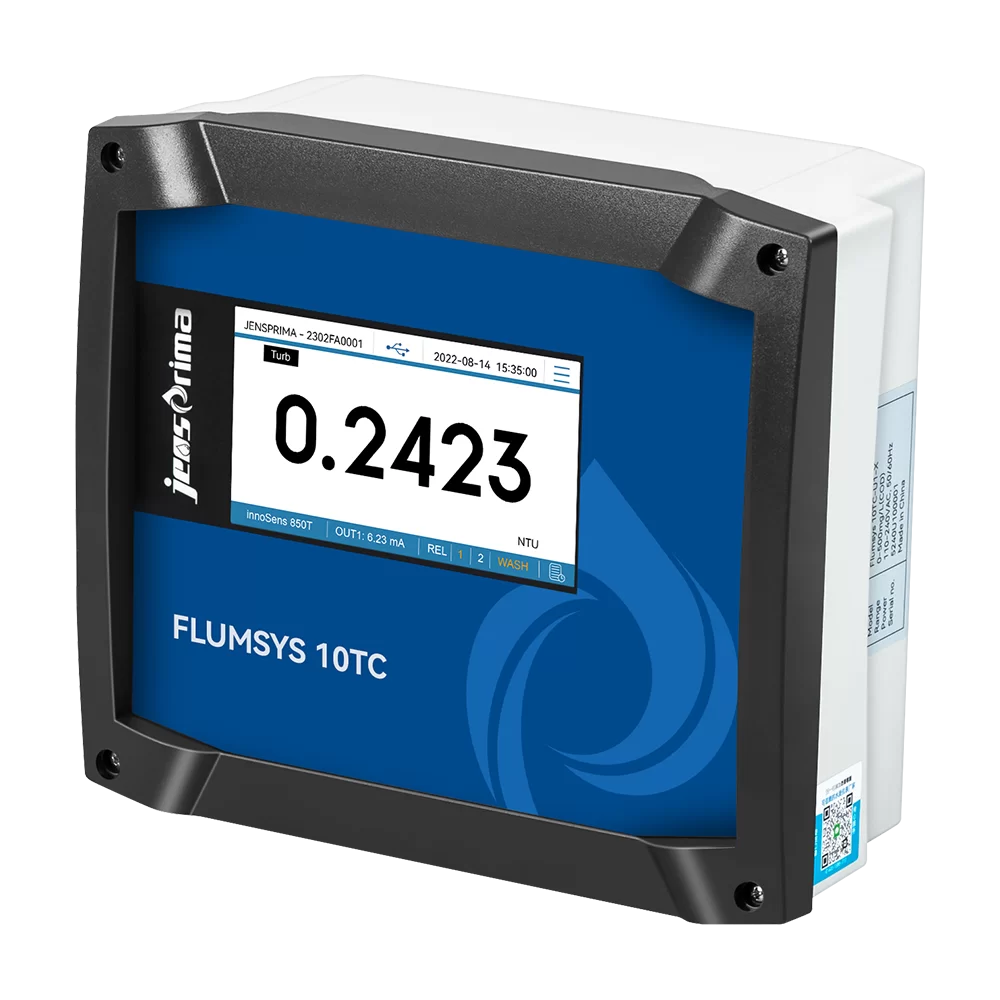
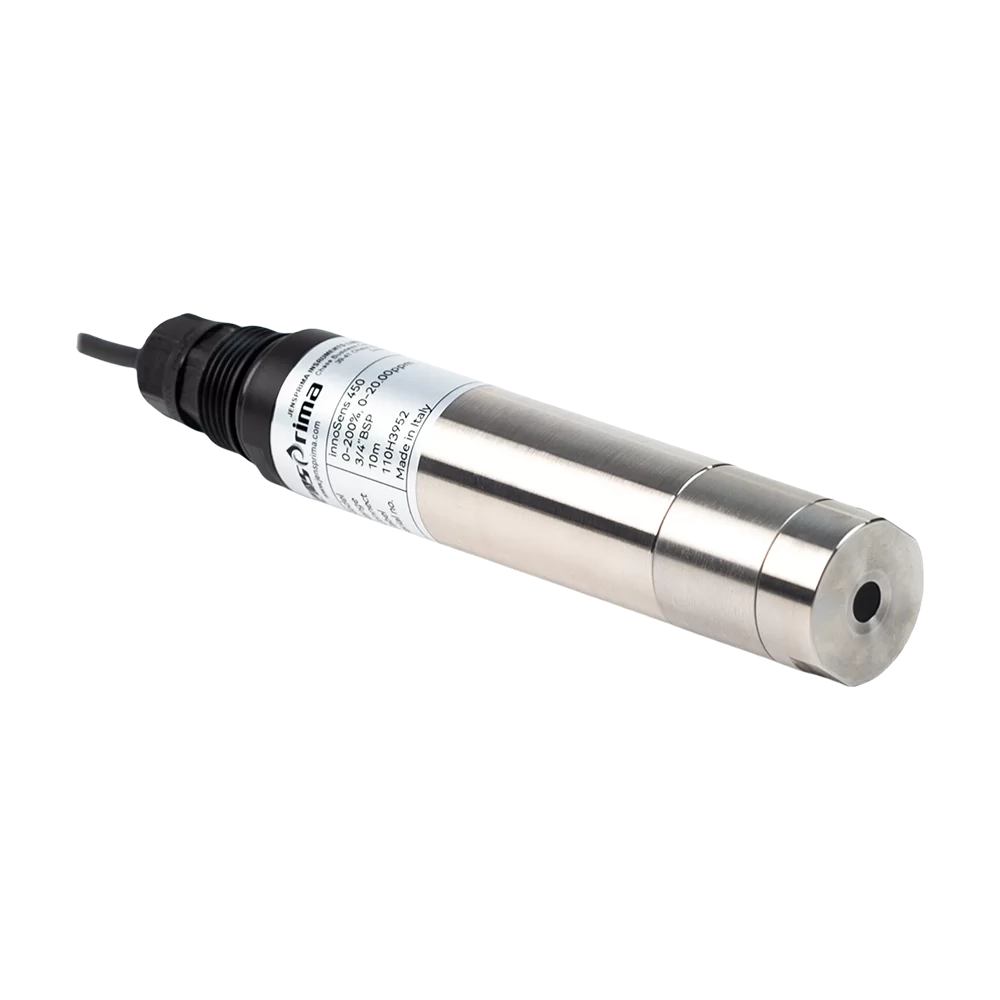
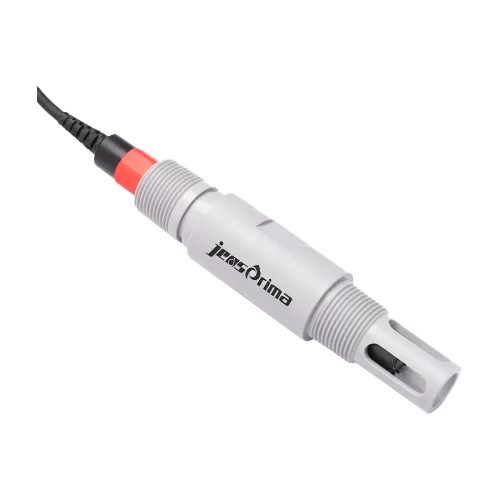
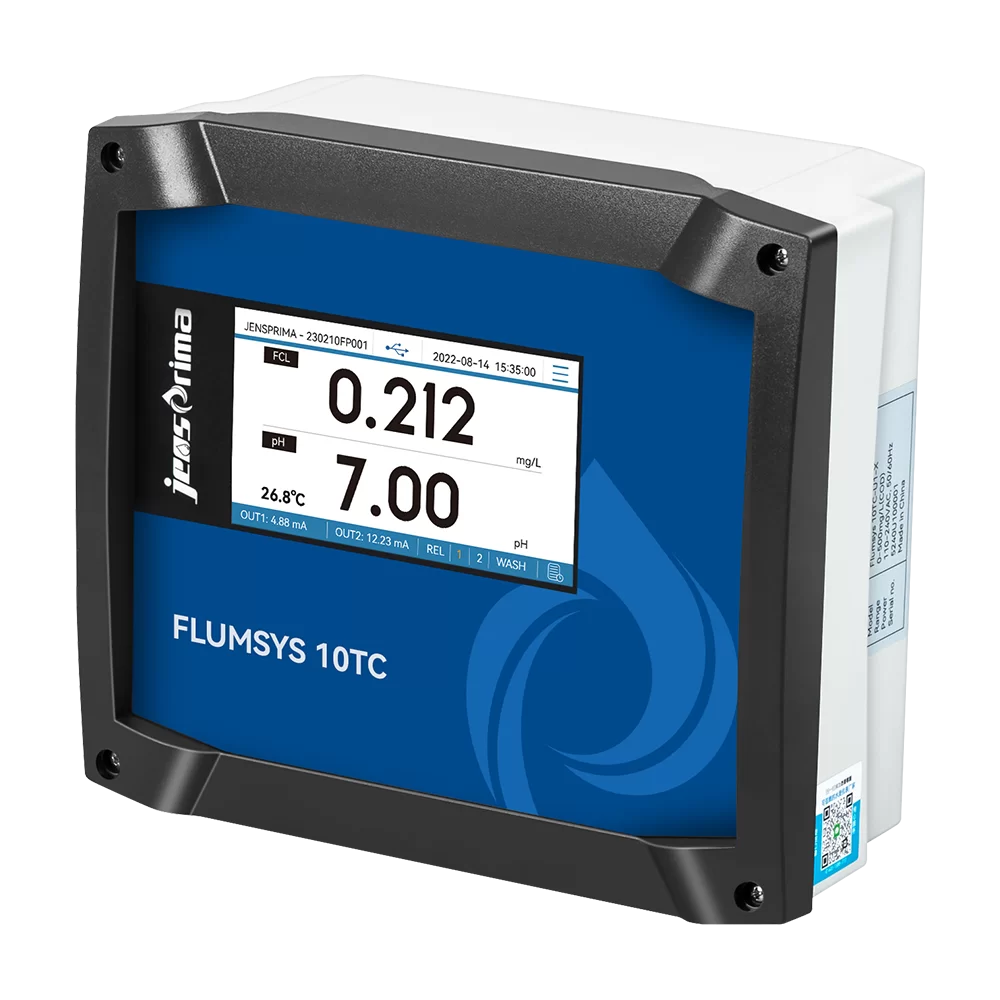
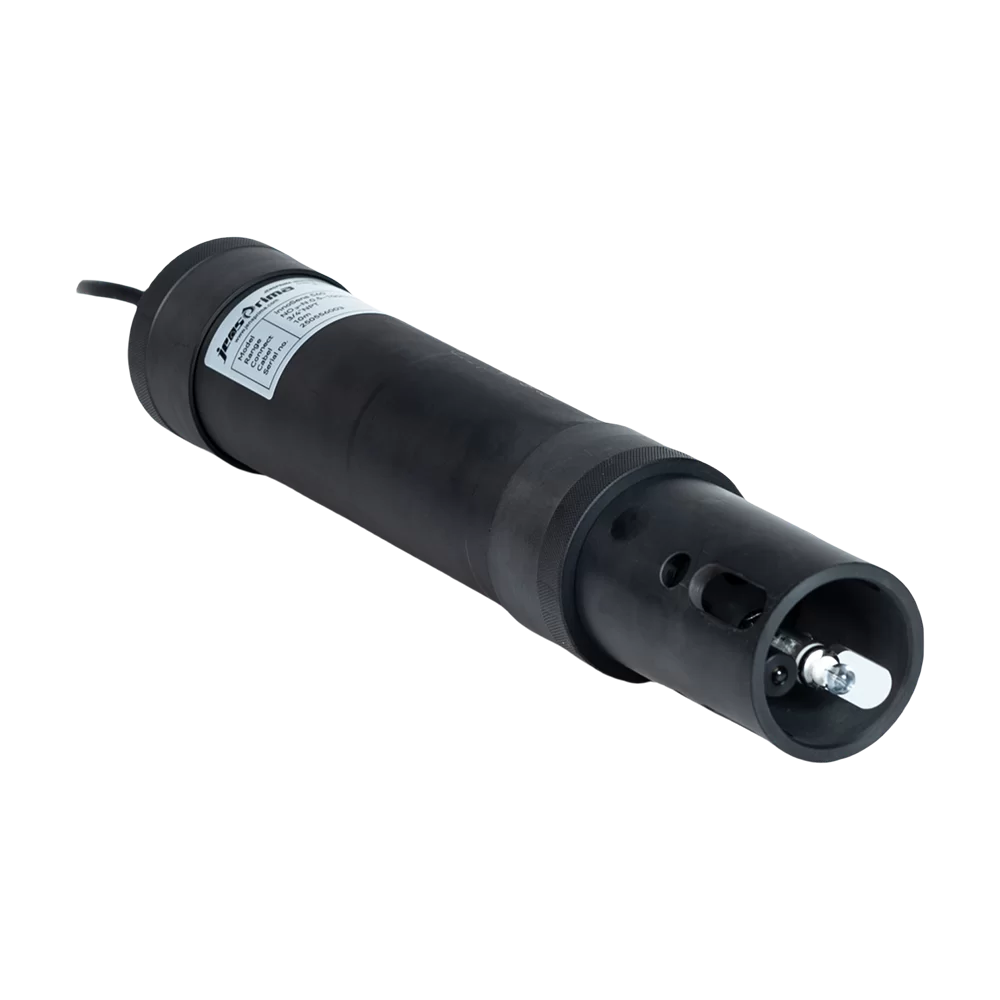
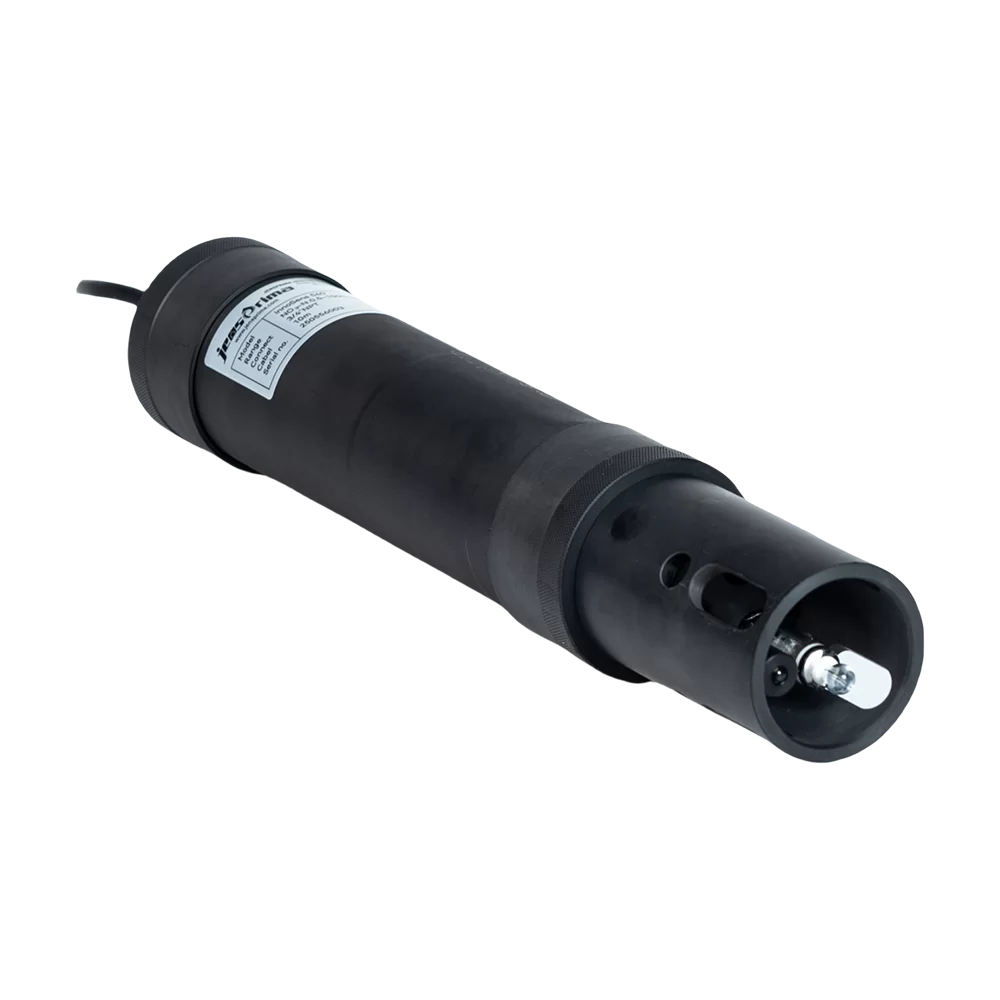
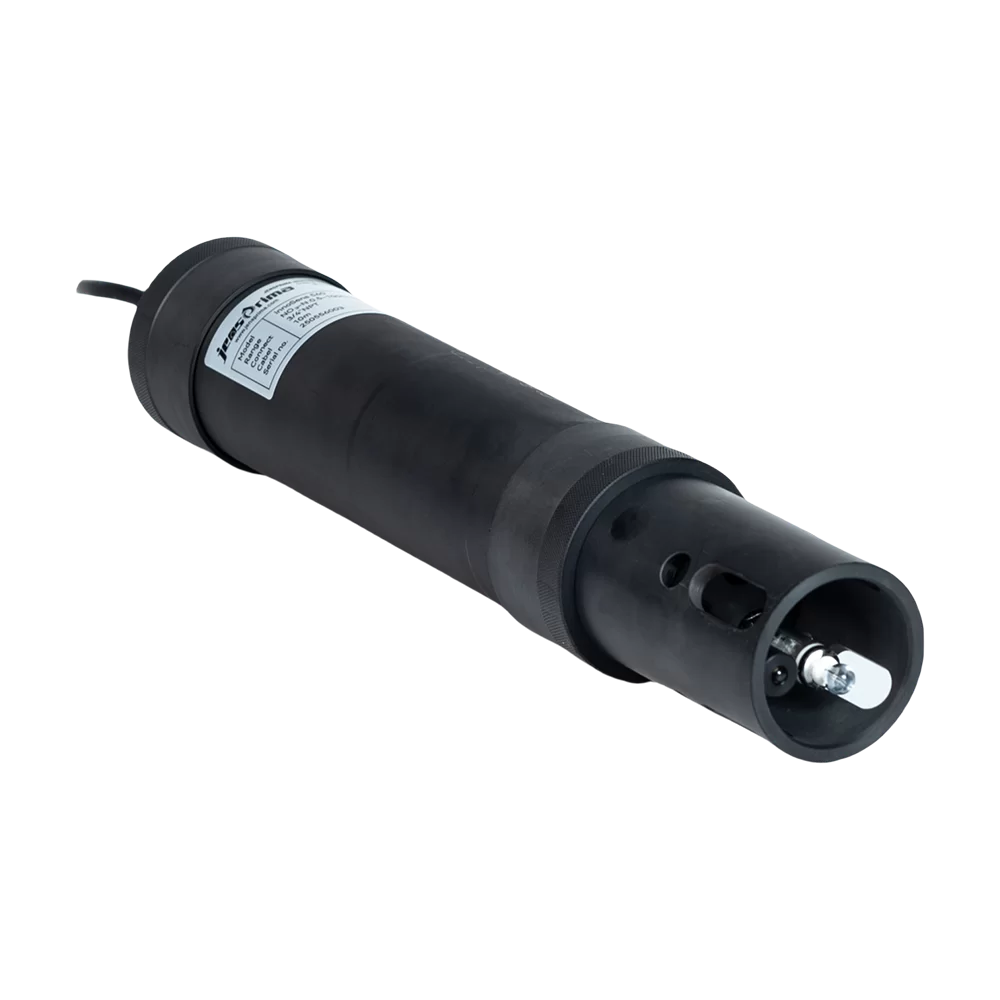
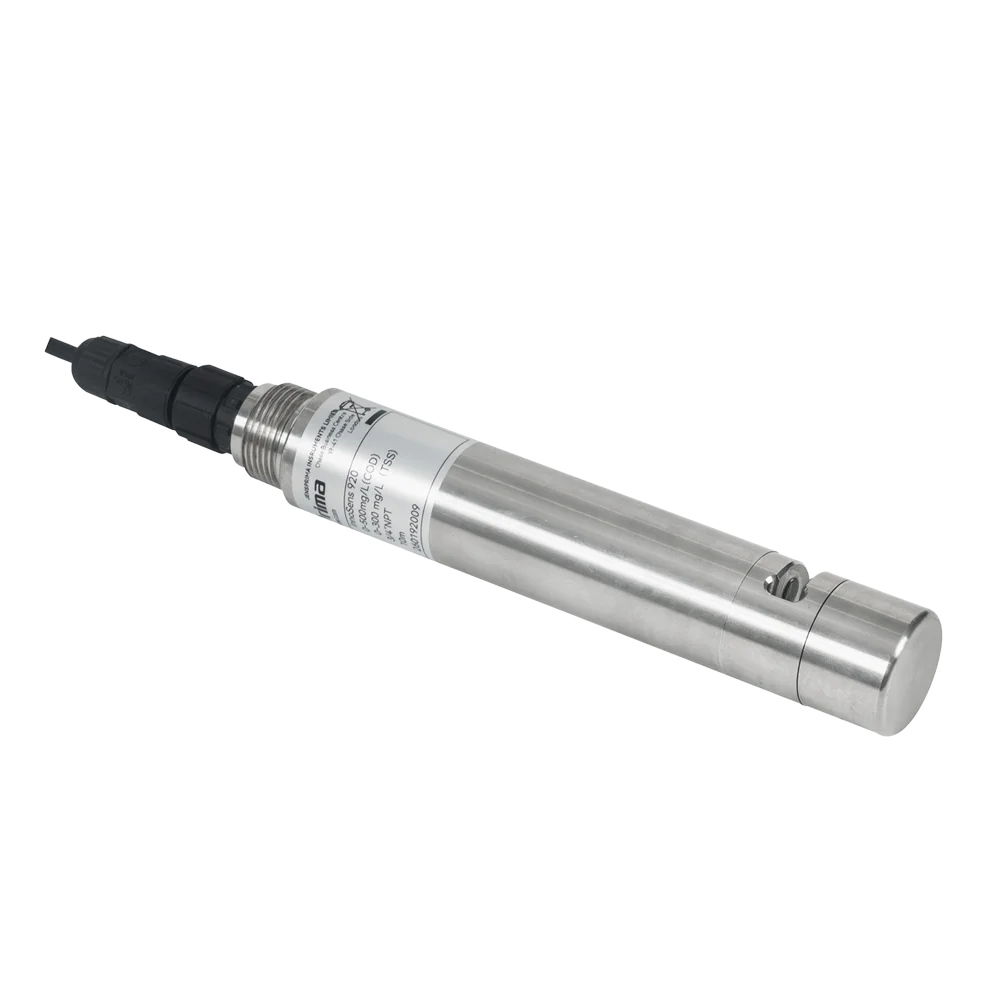
The key components of a free chlorine analyser typically include a sensor, a signal processing unit, a controller, and a display. The sensor detects the presence of free chlorine, converting it into an electrical signal. This signal is then amplified and processed by the signal processing unit, and the controller displays the chlorine concentration on a user-friendly interface.
Accuracy and reliability are paramount. Factors influencing performance include sensor type, calibration frequency, temperature compensation, and proper maintenance. Advanced models offer features such as automatic temperature compensation and self-diagnostic capabilities to ensure consistent and dependable results. Proper selection of the sensor technology depends on the specific application and water matrix.
Durability and robustness are also crucial, particularly in harsh industrial environments. Many free chlorine analyser models are designed with corrosion-resistant materials and protective enclosures to withstand challenging conditions. Regular preventative maintenance, including sensor cleaning and calibration, extends the lifespan and maintains the accuracy of the instrument.
Applications Across Diverse Industries
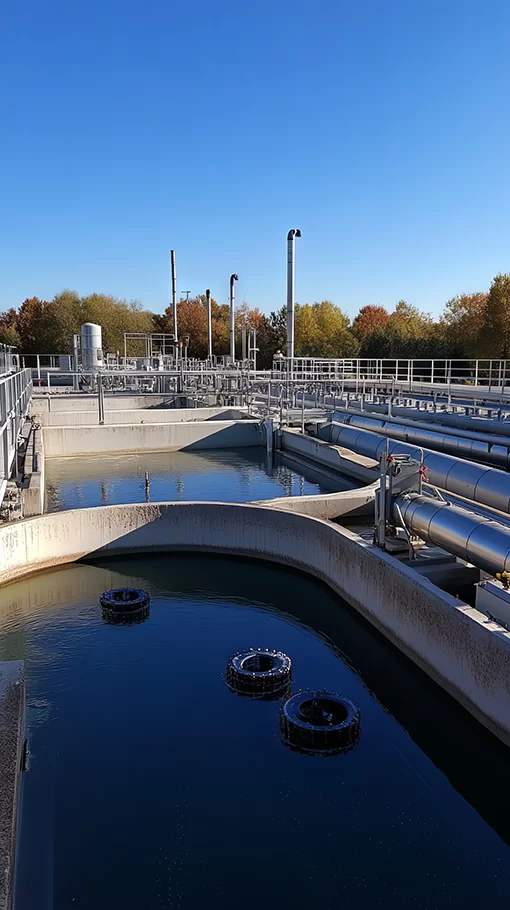
The applications of a free chlorine analyser are widespread. In municipal water treatment plants, they provide continuous monitoring of disinfection levels, ensuring water meets safety standards. Wastewater treatment facilities utilize them to optimize disinfection processes and comply with discharge regulations.
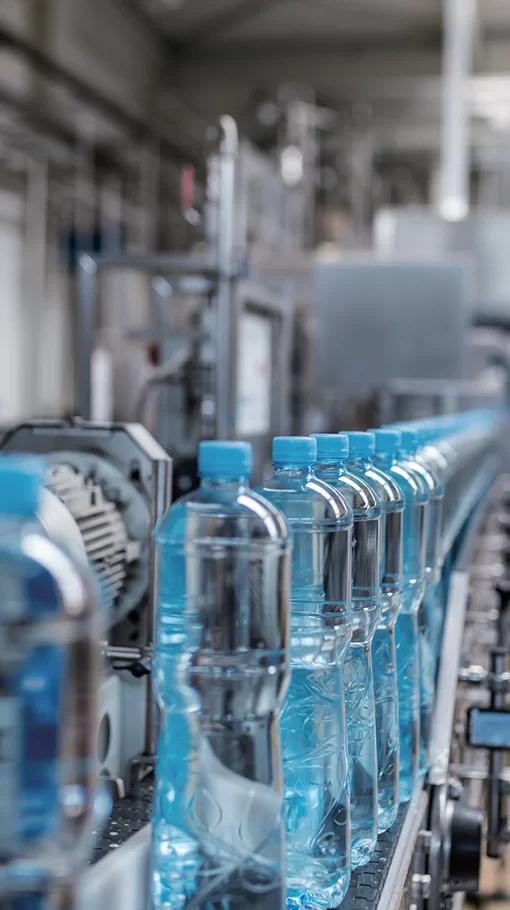
The food and beverage industry relies on them to maintain hygiene and prevent contamination in processing water. Swimming pools and spas employ them to ensure safe and sanitary recreational water. Furthermore, industrial processes requiring ultra-pure water, such as semiconductor manufacturing, depend on accurate free chlorine analyser measurements.
Free Chlorine Analyser Methods Comparison
Advantages and Long-Term Benefits
Employing a free chlorine analyser offers numerous advantages, including reduced chemical costs through optimized dosing, improved water quality, and minimized risk of contamination. Continuous monitoring allows for proactive control, preventing costly disruptions and ensuring consistent compliance with regulations.
Long-term, the investment in a reliable analyser translates to significant cost savings, enhanced operational efficiency, and increased environmental responsibility. Accurate data also supports informed decision-making, leading to better overall water management practices. The peace of mind derived from knowing your water is consistently safe and compliant is an invaluable benefit.
Future Trends and Innovations
The future of free chlorine analyser technology is poised for further advancement. Innovations include the development of more sensitive and selective sensors, integration with IoT platforms for remote monitoring and data analysis, and the incorporation of artificial intelligence for predictive maintenance and process optimization.
Miniaturization and portability are also emerging trends, enabling on-site analysis and real-time data acquisition in remote locations. Furthermore, advancements in wireless communication technologies are facilitating seamless data transmission and integration with existing SCADA systems.
Challenges and Mitigation Strategies
Common challenges associated with free chlorine analyser operation include sensor fouling, drift, and interference from other substances in the water sample. Regular calibration and maintenance are crucial for mitigating these issues. Utilizing appropriate sample conditioning techniques, such as filtration and pre-treatment, can also minimize fouling and extend sensor lifespan.
Another challenge is ensuring data accuracy and reliability in complex water matrices. Employing advanced signal processing algorithms and implementing robust quality control procedures can help overcome this obstacle. Furthermore, selecting an analyser with appropriate temperature compensation and interference rejection capabilities is essential.
Proper training of personnel is also critical for ensuring accurate operation and maintenance of the instrument. Implementing a comprehensive preventative maintenance program and adhering to manufacturer’s recommendations will further minimize downtime and maximize the lifespan of the analyser.
Summary of Free Chlorine Analyser Maintenance Strategies
| Maintenance Task |
Frequency |
Skill Level Required |
Estimated Time (minutes) |
| Sensor Cleaning |
Weekly |
Basic |
15 |
| Calibration Check |
Monthly |
Intermediate |
30 |
| Flow Cell Inspection |
Quarterly |
Intermediate |
20 |
| Sensor Replacement |
Annually (or as needed) |
Advanced |
45 |
| Controller Firmware Update |
Semi-Annually |
Intermediate |
10 |
| System Performance Audit |
Annually |
Advanced |
60 |
FAQS
The lifespan of a free chlorine analyser sensor varies depending on the sensor type, water quality, and maintenance practices. Generally, amperometric sensors have a lifespan of 1-2 years, while colorimetric sensors can last up to 3-5 years. Regular cleaning, calibration, and adherence to manufacturer recommendations are crucial for maximizing sensor life. Over time, sensors can drift and become less accurate, necessitating replacement.
Calibration frequency depends on the specific analyser model, application, and accuracy requirements. However, a general guideline is to calibrate the analyser at least monthly. Critical applications or environments with fluctuating water conditions may require more frequent calibration, such as weekly. Proper calibration ensures the analyser provides accurate and reliable readings, maintaining water quality and safety.
Several factors can interfere with accurate free chlorine measurements. These include the presence of combined chlorine, pH fluctuations, temperature variations, and interfering ions such as bromide and iodide. Many analysers incorporate temperature compensation and interference rejection algorithms to minimize these effects. Maintaining proper sample conditioning and calibration are also critical for accurate results.
Free chlorine refers to the hypochlorous acid (HOCl) and hypochlorite ion (OCl-) that are available for disinfection. Total chlorine measures both free chlorine and combined chlorine, which forms when free chlorine reacts with ammonia or organic matter. A free chlorine analyser specifically measures the active disinfectant form, providing a more accurate indication of disinfection efficacy. Monitoring both free and total chlorine can provide a comprehensive understanding of water quality.
Yes, a free chlorine analyser can be effectively used for wastewater monitoring. It’s crucial to ensure the analyser is appropriately configured for the specific wastewater matrix and that regular maintenance is performed to prevent fouling and drift. Monitoring free chlorine levels in wastewater helps ensure disinfection compliance and minimizes environmental impact before discharge.
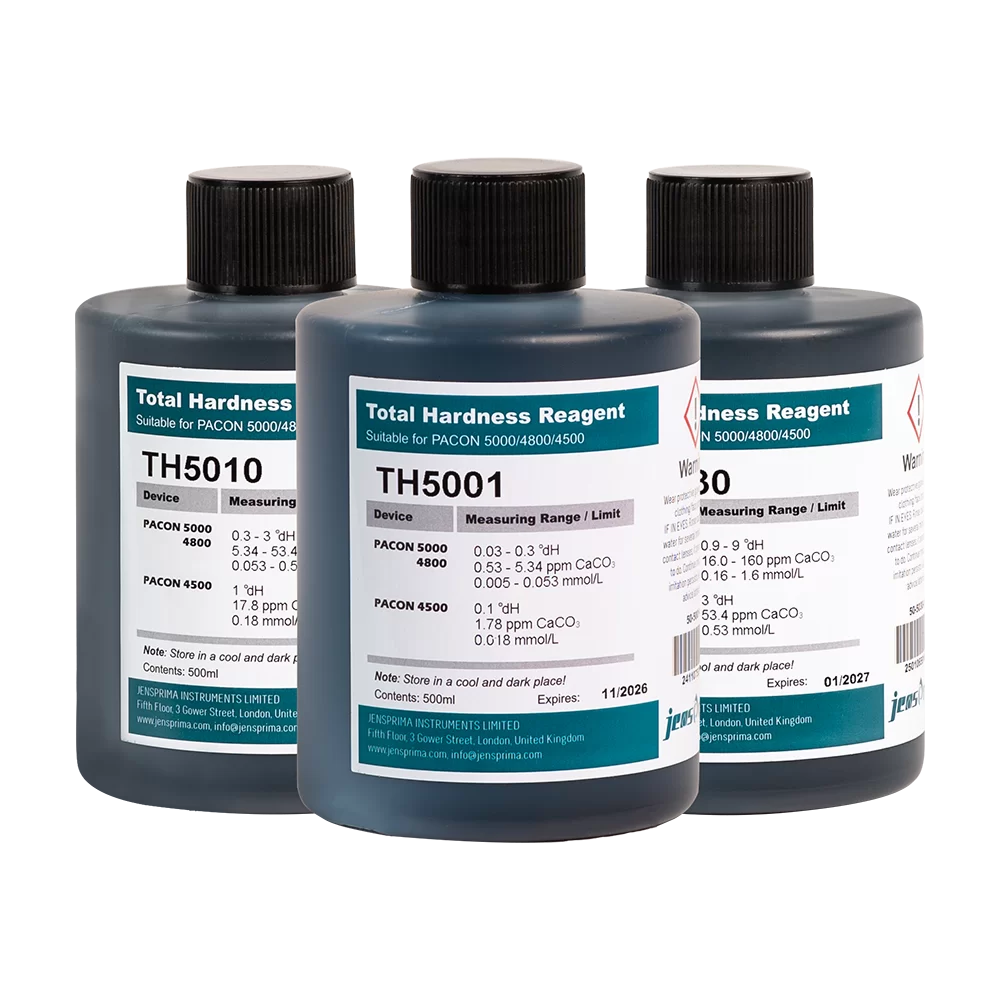
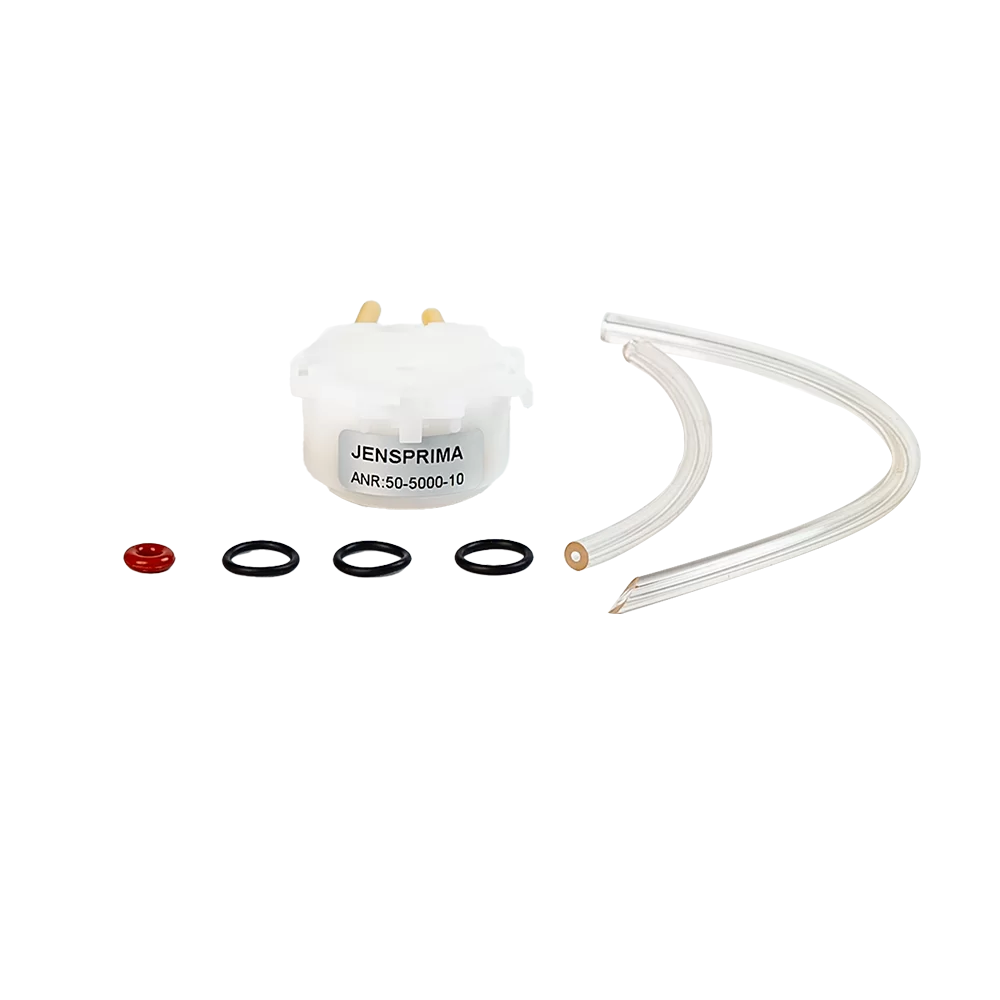
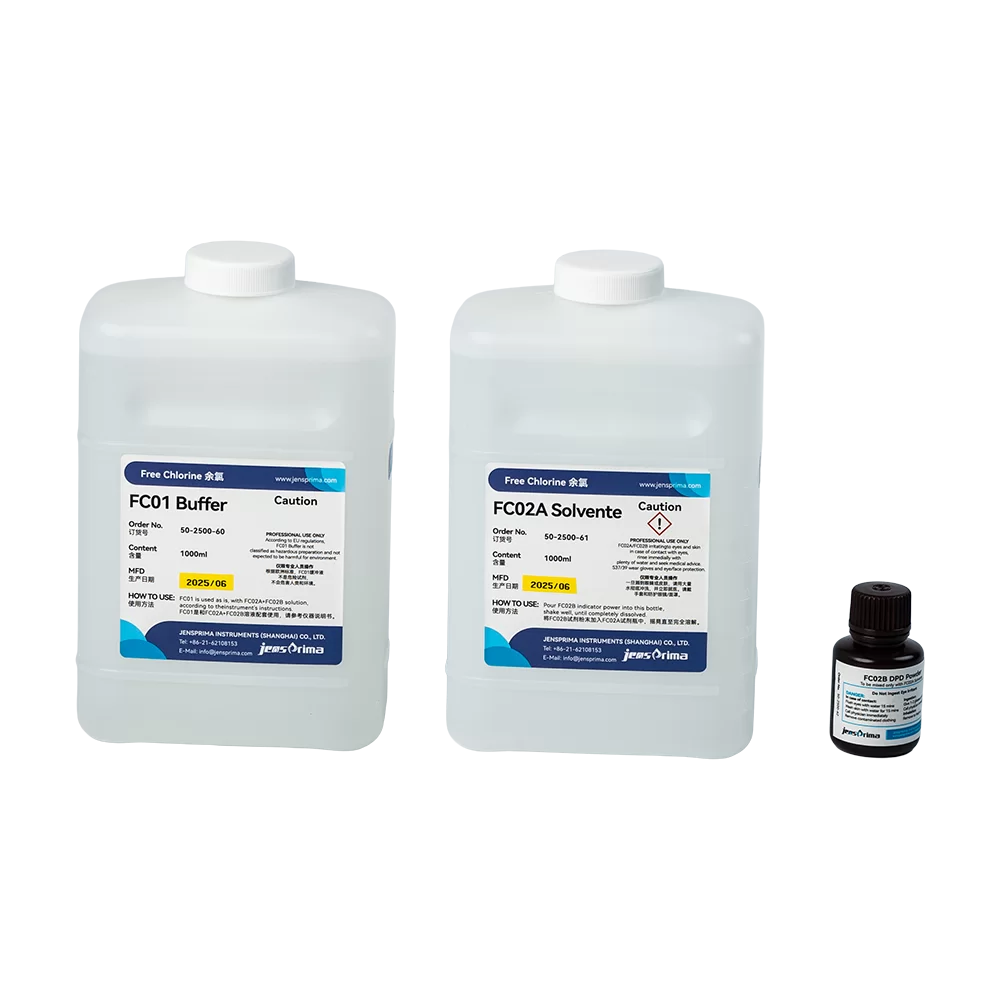
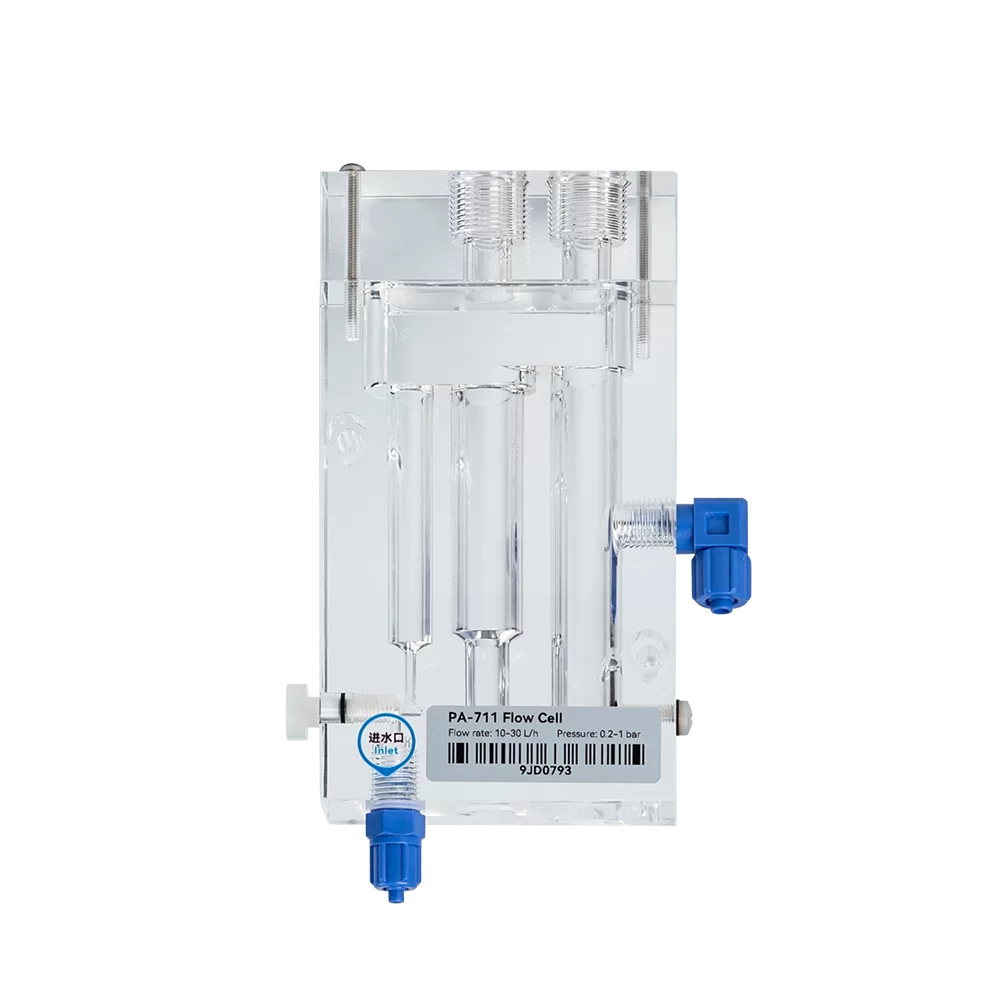
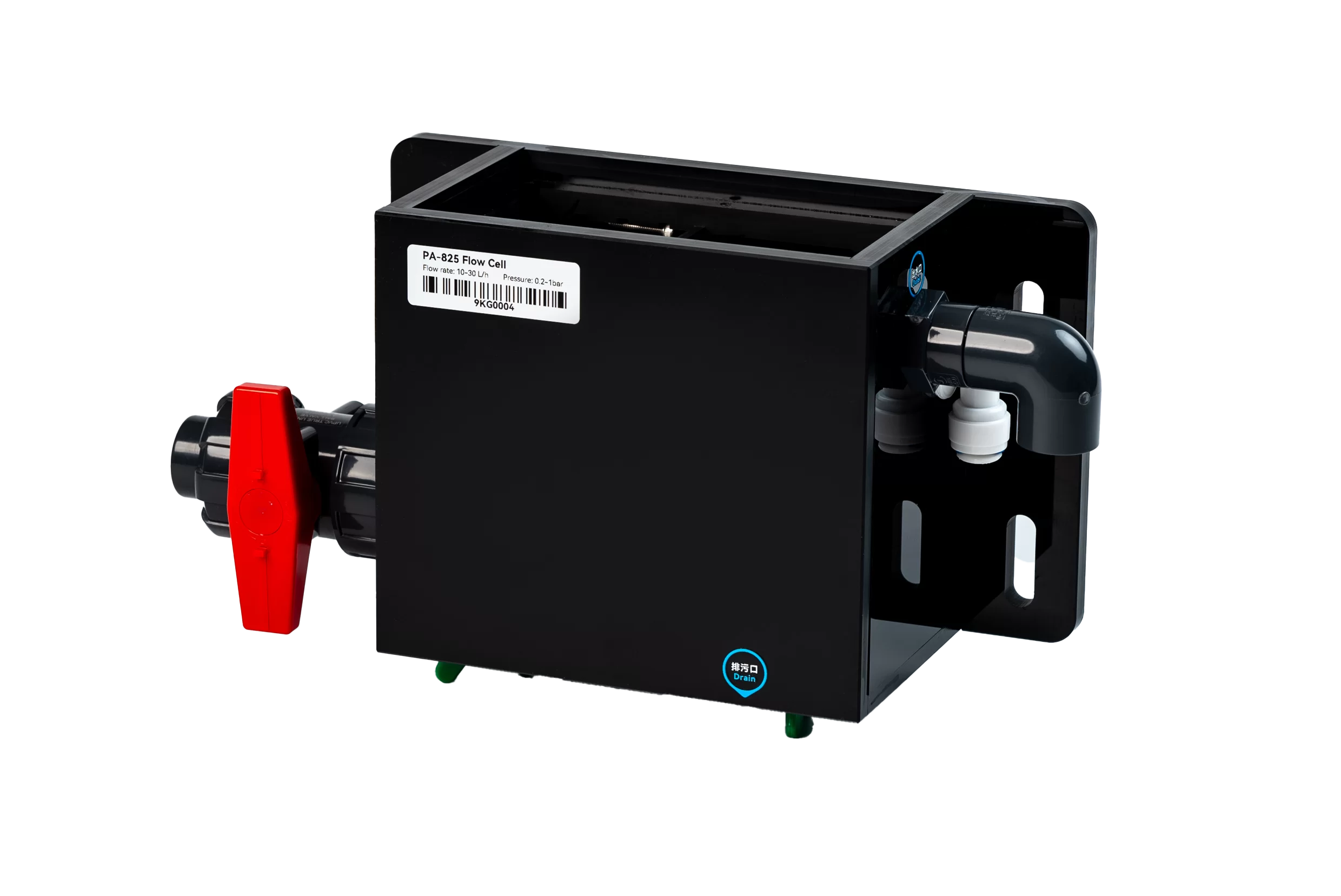
Regular maintenance is essential for maintaining accuracy and reliability. This includes cleaning the sensor and flow cell, checking and replacing consumables (e.g., reagents, membranes), performing regular calibrations, and inspecting the system for leaks or damage. Following the manufacturer’s recommendations and establishing a preventative maintenance schedule will significantly extend the analyser’s lifespan.
Conclusion
In conclusion, the free chlorine analyser is an indispensable tool for maintaining water quality, protecting public health, and optimizing disinfection processes across diverse industries. Its ability to provide continuous, real-time data enables proactive control, prevents costly disruptions, and ensures compliance with stringent regulations. Understanding its core components, applications, and future trends is critical for effective water management.
Investing in a reliable free chlorine analyser and implementing a comprehensive maintenance program represents a long-term commitment to sustainability, safety, and operational efficiency. We encourage you to explore our range of advanced analysers and contact our experts to discuss your specific needs and find the perfect solution for your application. Visit our website: www.jensprima.com


 Download
 Video Center
 Technical Services
 FAQS
FAQS Service Network
 Privacy Policy
 Contact Us